
Table of Contents
ToggleHow to Make a Reusable Shopping Bag
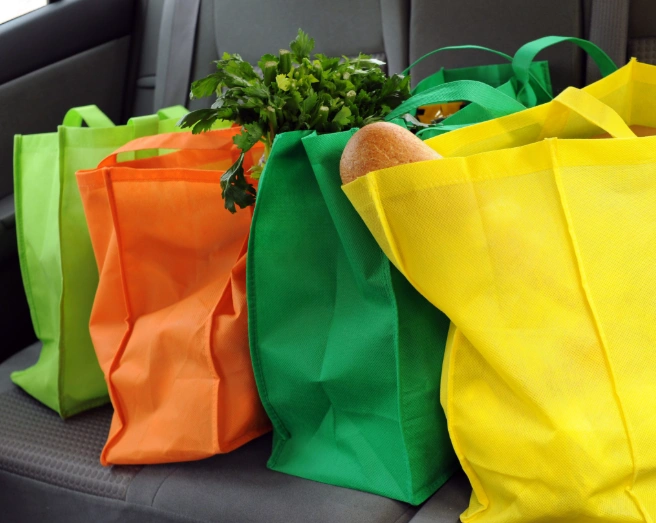
Customized reusable shopping bags have become synonymous with living responsibly in the 21st century. The days when people make one trip to the mall and return home with shopping bags that become trash after just one use are now far behind us. Thanks to the growing awareness of environmental sustainability, many people now agree that reusable shopping bags are the green way forward in our quest to restore nature to its former glory. These bags are extra durable and eco-friendly, nothing like the single-use disposable nightmares that cause more harm than good. Whether you want to save a few extra bucks, reduce waste, or just want to enjoy the thrills of creating something useful with your own hands, reusable shopping bags are perfect.
In this guide, we’ll take a deep dive into learning what these lifesaving bags are made of, if they can be recycled, how to make one yourself, and how to care for it properly.
What Are Reusable Shopping Bags Made Of?
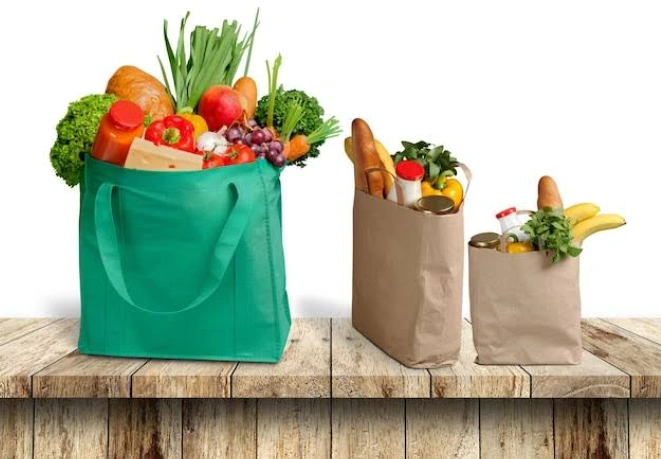
Reusable shopping bags in all shapes and sizes are made of different kinds of materials, with each material offering its own unique benefits. But before a material is chosen, there are a few boxes to check. Its strength is how easy it is to wash and, most importantly, how many times it can be reused. But not all of these materials are organic:
- Cotton: Cotton is one of the most popular options. It’s natural, soft, biodegradable, and super easy to wash.
- Canvas: This is a thicker version of cotton that is more durable, which makes it ideal for carrying heavier items on your grocery list.
- Polypropylene (PP): Polypropylene is a type of plastic fabric that is lightweight, strong, and commonly used in supermarket reusable bags.
- Nylon and Polyester: these are synthetic materials that are extremely water-resistant and fold easily. This makes them convenient for travel.
- Jute or Hemp: These are natural fibers that are not just strong but also eco-friendly. They give bags a plain, and unrefined look, like something straight from the countryside.
Each material has its strengths and weaknesses, but the best choice for you depends on what you plan to use the bags for.
Are Reusable Shopping Bags Recyclable?
Reusable shopping bags’ recyclability depends entirely on the materials they are made of.
- Natural fabrics: materials such as cotton, jute, and hemp are biodegradable. This means that they can break down naturally over time, and since they are plant-based, new materials can be harvested routinely and processed for use.
- Synthetic materials: these include the likes of polypropylene, polyester, and nylons. While we can technically say they can be recycled, this often requires specialized recycling facilities dedicated to each material.
- Blended materials: blending natural and synthetic materials produces reusable shopping bags that have the strengths from both worlds, but they are almost impossible to recycle.
Here’s the thing: custom-made reusable shopping bags are often made from recyclable materials, but they are not so easy to recycle. Their main advantage over the disposable, single-use bags is that they can be used repeatedly. Just one reusable shopping bag can easily be used over 100 times, which means it can replace hundreds of single-use, disposable plastic bags over the course of its lifetime. Try to enjoy your bags for as long as possible. As long as it’s not damaged, there’s no need to buy or make another one. They are called “reusable” for a reason.
How to Sew a Reusable Shopping Bag
Making your own reusable shopping bag is very easy and can be very rewarding. To make your first DIY bag, here’s a list of materials you’ll need:
- Fabric (cotton or canvas)
- Thread
- Sewing machine (a needle also works just fine)
- A pair of scissors
- Some pins
- And a measuring tape.
Now let’s put these materials to good use and sew your first reusable shopping bag:
1. Cut out your fabric
This is the first and most important step because it determines how your bag will look when finished.
A helpful trick is to use an old bag as a template. First, cut the seams at the top of the handles and the bottom seam. Then cut along each side so you are left with two “bag-shaped” pieces.
In total, you need 4 fabric pieces:
- 2 for the outer fabric
- 2 for the inner lining
2. Sew the sides of the fabric
Pin the right sides of the outer fabric together, making sure everything is aligned properly before sewing. Repeat the same step for the inner lining fabric.
3. Iron and press seams
Open the sewn fabric and press the seams to one side. Take your time to make it neat and flat.
4. Combine inner and outer layers
Turn the outer fabric right side out, then place it inside the lining fabric so that the right sides face each other. You should now have an inside-out bag shape.
5. Pin the top edge
Starting from the side seam, pin around the top edge of the bag. Leave the handle openings unpinned.
6. Sew the top edge
Sew around the top edge, but do not sew across the handle openings.
7. Turn and press again
Turn the bag right side out and tuck the lining inside. Press all seams carefully so the shape looks clean and smooth.
8. Top-stitch the bag
Sew around the top edge again (avoiding the handles). This helps secure the layers and improves durability.
9. Create the gusset and sew the bottom
Turn the bag inside out again. Fold the sides toward the center to form gussets, pin them, and sew securely. Then sew across the bottom for extra strength.
10. Sew the handles
Still inside out, sew across the top of the handles to secure them.
11. Shape the handles
Turn the bag right side out. Fold each handle in half, then pin down about 3 inches from the center on both sides.
12. Finish the handles
Sew along the pinned lines following the top-stitched seam. This completes your DIY reusable shopping bag.
How to Wash Reusable Shopping Bags
Keeping your reusable shopping bags is extremely important, especially if you want to keep your food safe. So, how do you wash them?
- Cotton and canvas bags: Bags made from cotton or canvas are very easy to clean, just throw them into your washing machine with mild detergent and air dry.
- Synthetic bags: you only need a damp cloth or hand washing to wipe them clean.
- Insulated bags: You can clean them with soap and water, then air dry completely so that they don’t lose their insulation.
It’s good to cultivate the habit of washing your bags regularly, especially after carrying groceries like meat.
How to Fold Reusable Shopping Bags
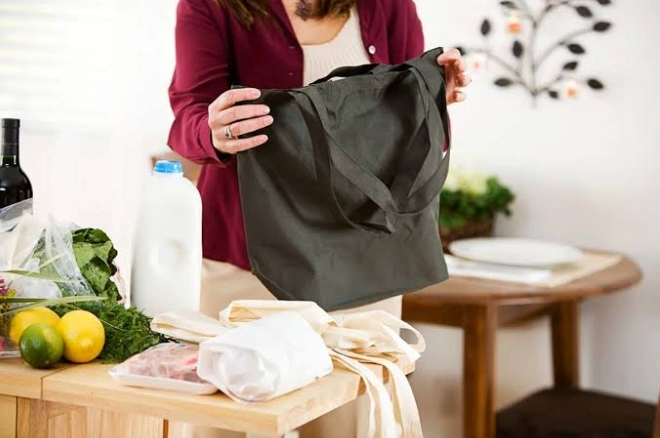
Folding your reusable shopping bags properly makes it way easier to store and carry them. Here’s a simple method to fold your beloved bags:
- Lay the bag and spread it flat.
- Next, fold the sides inward to form a rectangle.
- After that, fold the bottom upwards in sections.
- Tuck the handles into the final fold, and you are done.
Some bags can save you the stress of folding. You can simply roll such bags tightly and secure them with their handles, and they are compact enough to fit in your pocket.
Where to Buy Reusable Shopping Bags
If you do not have the luxury of time to make one yourself, custom woven grocery bag are widely available in Fastprintstar with enough personalization and durability to give you all you want. The following are the Pro tips when buying your next reusable bags at Fastprintstar. Start by looking for strong stitching and comfortable handles. A lovely stitched bottom will give way and spill your groceries everywhere. Investing in high-quality bags is good value for money, and better performance, and longer life is guaranteed.
Conclusion
Custom reusable shopping bags are a simple yet powerful way to reduce environmental impact. Whether you choose to buy one or make your own, they offer durability, convenience, and long-term savings. By understanding the materials, care methods, and proper usage, you can get the most out of your reusable bags while contributing to a cleaner, more sustainable future.