
Table of Contents
ToggleAre Flip Flops Bad for Your Feet?
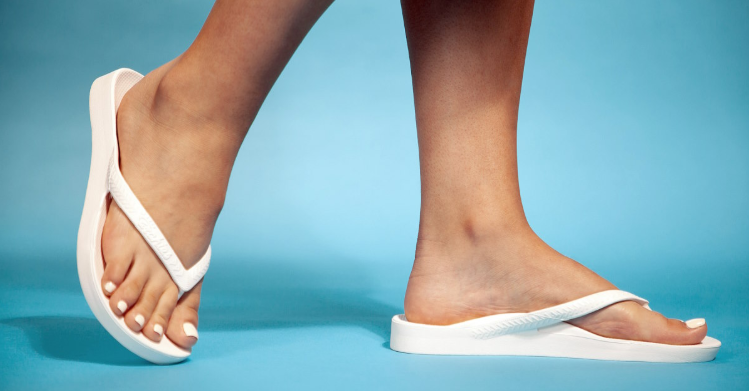
Flip flops are arguably the most popular type of footwear in the world, and that’s for very good reasons. They are easy to wear, almost weightless, and perfect for hot weather. Whether you are relaxing at home, running quick errands, or even heading for the beach, you can’t go wrong with flip flops. But despite their convenience and reliability, many people can’t help but wonder: are flip flops bad for your feet? In this article, we will explore the benefits, drawbacks, and everything you need to know about wearing flip flops.
Can Wearing Flip Flops Hurt Your Feet?
The answer to this depends on how you wear your flip-flop. Wearing flip flops can not hurt your feet if you wear them appropriately. In the sense that you wear your flip-flops for short errands and casual outings, and also ensure you don’t let them completely go flat before you change them. The following are the ways you can avoid pain when wearing your custom flip-flop:
1. Choose Supportive Flip Flops (Not the Flat, Cheap Kind)
2. Don’t Wear Them for Long Distances
3. Make Sure They Fit Properly
4. Walk Naturally (Don’t Grip with Your Toes)
5. Break Them In Before Heavy Use
6. Protect Your Feet from Friction
7. Avoid Hard Surfaces for Too Long
How to Make Flip Flops Fit Better
A pair of good-fitting custom flip flops can make a big difference in full-body comfort. You have to make sure that the next flip-flops you purchase are the right size. Your feet shouldn’t be hanging off the edges or feel cramped. The straps should also be snug, but not too tight. Overly tight straps can cause discomfort due to friction, which can lead to various forms of irritation.
To be on the safer side, you can also look for flip flops with added features like cushioned soles, arch support, or adjustable straps. The few extra bucks incurred by these added features are a solid investment for foot health and peace of mind. Some people even go as far as using gel inserts or padding just to improve comfort. Choosing higher-quality flip flops instead of the paper-thin, cheap ones can greatly reduce foot strain.
Method | What to Do | Why It Helps | Pro Tip |
Choose the Right Size | Pick flip flops that match your exact foot size, not too loose or tight | Prevents slipping, toe gripping, and discomfort | Your heel and toes should not hang off the edges |
Look for Arch Support | Buy flip flops with built-in arch support or contoured soles | Reduces strain on your feet and improves comfort | Avoid completely flat soles for long wear |
Adjust Straps or Toe Post | Ensure straps fit snugly without digging into your skin | Prevents blisters and keeps your foot secure | Soft fabric or padded straps are more comfortable |
Use Cushioned Insoles | Add thin gel or foam inserts if possible | Improves shock absorption and overall comfort | Choose moisture-resistant inserts for durability |
Break Them In Gradually | Wear your flip flops for short periods at first | Helps your feet adjust and reduces irritation | Start indoors before long outdoor use |
Reduce Friction | Apply anti-chafing balm or wear toe protectors | Prevents blisters and skin irritation | Focus on areas between toes and strap contact points |
Add Anti-Slip Pads | Stick grip pads to the sole or footbed | Keeps your foot from sliding around | Great for sweaty or humid conditions |
Tighten Loose Straps | Use simple DIY fixes (like small knots or strap adjusters) | Improves fit and stability | Be careful not to make them too tight |
What Are Flip Flops Made Of?
Flip flops are made from materials that are not only lightweight but also very flexible. The most common materials flip flops are made of include rubber, plastic, foam, and sometimes leather for more premium designs.
Rubber and foam are the most popular materials because they are water-resistant and also very comfortable. This makes them ideal for beaches and pools, and even makes them more acceptable by most people who enjoy the thrills of some selected casual outdoor activities. However, cheaper materials may provide little support and wear out very quickly. Higher quality flip flops are recommended because they are made from durable materials and include ergonomic designs for better foot support.
Can You Wear Flip Flops on an Airplane?
Yes, you can wear flip flops on an airplane. Although there are no regulations against this, flip-flops are far from being the most practical choice. Firstly, airports often require you to walk long distances, and flip-flops don’t offer enough protection or support. This can make your feet feel tired or uncomfortable.
Additionally, airplanes can get quite cold thanks to their powerful climate control systems, and open footwear leaves your feet exposed. You also have to consider the hygiene factor; airplane floors and restrooms are not known for being the cleanest of places. But if you do choose to wear flip flops on your next flight, it’s a good idea to bring socks or an extra pair of closed shoes for comfort.
How to Fix a Broken Flip Flop
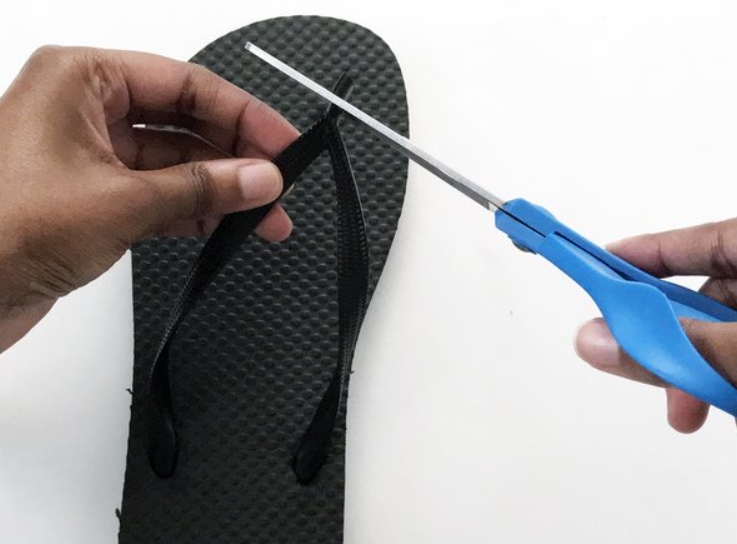
A broken flip-flop doesn’t always mean it’s time to throw them away. A simple fix can extend the lifespan of your flip flops and give you the best bang for your buck. One common issue is the strap pulling out from the sole. To fix this is much easier than you think; you just have to:
- Use a button or coin to secure the loose strap
- Apply strong adhesive glue if the damage is minor
- You can also use a flip-flop repair kit.
While these quick fixes can extend the life of your flip flops, they are just temporary measures. If your flip flops are badly damaged, replacing them is the better option.
Where Can I Buy Flip Flops?
Flip flops are widely available both online and in physical stores. You can easily find them in supermarkets, shoe stores, clothing shops, and online marketplaces. Flip-flop prices vary depending on the brand, material, and features.
If you’re looking for affordable and customizable options, platforms like Fastprintstar can be a convenient place to explore. They provide a wide variety of designs that allow you to choose something that fits both your style and budget.
Conclusion
Custom flip flops are simple, convenient, and perfect for casual use, especially in warm climates. However, they’re not designed for long-term wear or activities that require support and protection. While they won’t necessarily harm your feet if used occasionally, relying on them too much can lead to discomfort and foot problems in the future.
The key is balance. Choose well-made flip flops, wear them in the right situations, and switch to more supportive footwear when needed. That way, you can enjoy the comfort of flip flops without putting your foot health at risk.