Table of Contents
ToggleHow to Make a Pennant Flag

Pennant flag has been a ceremonial item from time immemorial. Starting from the Medieval European period, knights utilized them as a means of displaying heraldry in battles. In recent eras, many people have utilized custom pennants as a decorative piece that showcases their team pride, celebrate events, decorate their personal space, and also as a tool that they use to create a personalized experience.
With the series of usage that Pennat flags can be utilized, there is a need to have a full understanding of the various sizes, materials, colors, and designs that match your exact celebratory events or functional needs. In this guide, you’ll learn how to make a pennant flag from scratch, what materials pennants are commonly made from, how to sew a pennant banner, ways to display your finished design, how to clean felt pennants properly, and where to buy pennants if you prefer ready-made options.
What Are Pennants Made Of?
Pennants are made from a variety of materials depending on their purpose, durability needs, and appearance. While traditional pennants were commonly made from felt, modern pennants now use several fabrics and synthetic options to suit different uses, from sports memorabilia to party decorations and outdoor displays.
Felt
Felt is one of the most popular materials used for pennants, especially for vintage and collectible designs. This material is widely accepted because it has a soft texture, holds its shape well, and creates the classic look often seen in school, sports, and souvenir pennants.
Cotton Fabric
This is another very common material because it is lightweight, easy to sew, and available in countless colors and patterns. Cotton pennants work well for indoor decorations, party banners, and handmade crafts where flexibility and customization matter.
Polyester
Polyester is widely used for outdoor pennants because it resists moisture, fading, and wear better than many natural fabrics. Sports teams, businesses, and event organizers often choose polyester for long-lasting flags and banners exposed to weather conditions.
Canvas
A very thick and durable option for your custom pennant flag is canvas because of its thicker texture and how durable it can be. Canvas creates sturdy pennants that hold up well over time, even beyond the time for your events, and also provides a premium appearance that gives your audience a luxury experience. This type of pennant works particularly well for decorative wall pennants or reusable event banners.
Vinyl
Vinyl pennants are the best for your outdoor events and promotional displays because they are waterproof and highly durable. This type of pen can withstand rain and sunlight better than many fabric materials, although they are less flexible than cloth options.
Material | Appearance / Texture | Durability | Best Use Case | Advantages | Disadvantages |
Felt | Soft, thick, matte finish | Medium | Vintage-style pennants, DIY crafts, sports memorabilia | Easy to cut and sew, classic look, holds shape well | Not weather-resistant, can absorb moisture and stain |
Cotton Fabric | Lightweight, smooth, varied prints | Medium | Indoor decorations, banners, party pennants | Breathable, easy to sew, widely available in patterns | Wrinkles easily, less durable outdoors |
Polyester | Smooth, slightly shiny finish | High | Outdoor pennants, sports flags, promotional banners | Weather-resistant, fade-resistant, strong, and long-lasting | Less “natural” feel, harder to sew than cotton |
Canvas | Thick, rugged, textured | Very high | Premium decorative pennants, reusable banners | Extremely durable, structured look, long lifespan | Heavier, more expensive, harder to work with |
Vinyl | Glossy, plastic-like surface | Very high | Outdoor events, advertising banners, weatherproof pennants | Waterproof, highly durable, easy to clean | Less flexible, not ideal for sewing or soft designs |
How to Sew a Pennant Banner
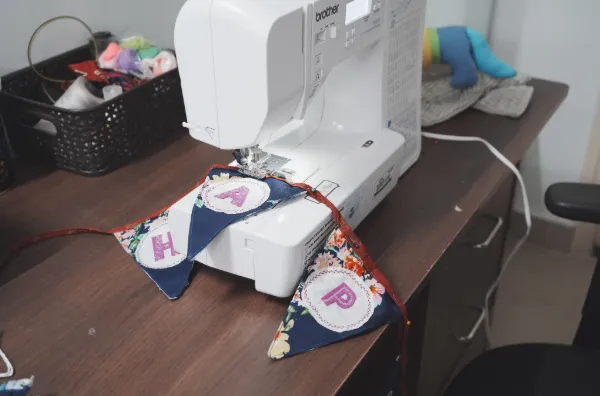
Sewing a Custom Felt Pennants banner is one of the most rewarding crafts you can ever lay your hand on. It doesn’t matter if you are going for a decorative piece for events, sports themes, rooms,s or celebrations, the following is the step-by-step process to see a pennant banner.
Step 1: Prepare Your Pennant Pieces
Before sewing, make sure all your pennants are properly cut and shaped. Consistency is key.
- Cut all pennants to the same size and shape (usually triangles)
- Iron the fabric if needed to remove wrinkles
- Arrange them in the order you want them displayed
- Double-check spacing to ensure balance and symmetry
Step 2. Choose Your Banner Tape or String
The base that holds your pennants together is important for durability and appearance. Make sure your chosen material is strong enough to support the weight of all pennants. The following are the common types of banner tape.
- Cotton ribbon
- Bias tape
- Twine or rope (for rustic designs)
- Fabric strips folded and sewn for extra strength
Step 3. Position the Pennants Evenly
Lay your ribbon or tape flat on a surface and start positioning the pennants, and make sure each spacing is consistent.
- Mark equal spacing points using chalk or pins.
- Place each pennant with the top edge slightly inside the tape fold (if using folded tape)
- Ensure all pennants face the same direction
- Pin each one securely before sewing
Step 4. Sew the Pennants Onto the Tape
Now begin stitching everything together.
- Use a straight stitch for basic attachment
- Sew along the top edge of each pennant
- Reinforce each pennant with a second stitch if needed
- Make sure stitches go through both the pennant and banner tape
Note: If using a sewing machine, go slowly to maintain alignment.
Step 5. Reinforce the Banner for Durability
This is important to ensure durability. So, after attaching all pennants, follow these steps to reinforce your custom pennant flag:
- Stitch a second line along the top for extra strength
- Secure both ends of the banner tape with knots or folded seams
- Trim any loose threads
How to Display a Pennant
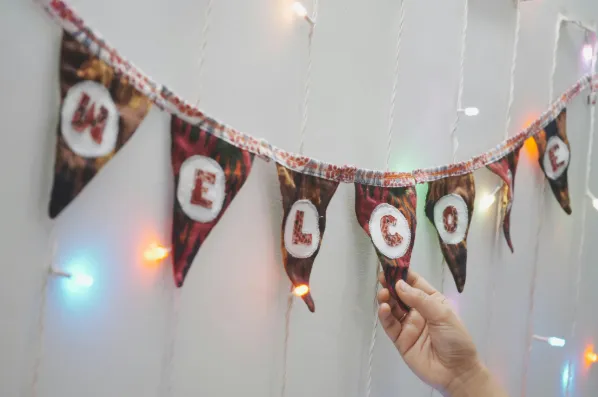
Now, with the pennant flags ready, you need to get them displayed to show the exquisite look of your creation. It’s important you know that displaying a pennant is the best way to see the shape and complete outlook of what you created. Therefore, the following are the methods yoy can display a pennant flag.
Wall Display Methods
One of the most popular ways to display a pennant is by hanging it on a wall. This works especially well for bedrooms, offices, and game rooms.
- Push pins or nails: Simply pin the top corners of the pennant to keep it flat against the wall. This is the easiest and most common method.
- Adhesive hooks or strips: These are ideal if you don’t want to damage the wall. They hold lightweight pennants securely.
- Framing: For valuable or sentimental pennants, framing gives a clean, protected, and more professional look. It also prevents dust and wear over time.
Hanging From a Rod or Dowel
The hanging from a rod method is often used for decorative or vintage-style pennants because it gives a neat, structured appearance.
- Slide the top sleeve of the pennant onto the rod
- Hang the rod using hooks, brackets, or a string
- This keeps the pennant stretched evenly and prevents curling
String or Banner Display
This is especially effective for parties, celebrations, or themed room decor. So, if you have multiple pennants, you can turn them into a banner-style display.
- Attach each pennant along a string, rope, or ribbon
- Space them evenly for a balanced look
- Hang across walls, ceilings, doorways, or event spaces
How to Clean Felt Pennants
It’s very common that felt pennants collect dust and stand with usages overtime. This is obviously common when this type of Pennant flag is being hung over time. So, since felt pennant material is quite delicate, the most reasonable thing is to clean them to avoid shrinkage, warping, and most commonly the damaging of the printed graphics and stitching. The following are the ways you can clean a felt pennant.
1.Remove Dust and Surface Dirt
Before using water or cleaning products, remove loose dirt and dust from the pennant by following these steps.
- Use a soft-bristled brush to gently sweep away dust
- Vacuum using a brush attachment on low suction
- Use a lint roller to remove hair and small particles
- Shake the pennant lightly outdoors to loosen surface debris
2. Spot Clean Small Stains
For minor stains or marks, spot cleaning is usually the safest method, and these steps are quite essential to spot clean a felt pennant.
- Mix a small amount of mild detergent with cool water
- Dip a soft cloth or sponge into the solution
- Gently dab the stained area without rubbing aggressively
- Use a clean, damp cloth to remove soap residue
- Pat dry with a towel
Avoid soaking the felt during spot cleaning because excess moisture can weaken the material.
3. Hand Wash When Necessary
If the pennant needs a more thorough cleaning, hand washing is safer than machine washing for longevity and to avoid shrinking caused by vigorous agitation.
- Fill a basin with cool water and mild detergent
- Submerge the pennant briefly and gently move it through the water
- Avoid twisting, wringing, or scrubbing
- Rinse carefully with clean, cool water
4. Dry the Pennant Properly
Drying felt correctly is just as important as cleaning it.
- Lay the pennant flat on a clean towel
- Reshape it while damp to maintain its original form
- Allow it to air dry naturally
- Keep it away from direct sunlight and heat sources
Where to Buy Pennants
Looking for high-quality custom pennants at an affordable price? FastPrintStar offers fully customizable pennants for schools, sports teams, events, businesses, and personalized gifts. Choose from a variety of sizes, materials, and printing options to create a design that matches your needs. Our streamlined online ordering process makes it easy to upload your logo, artwork, or text, while our team provides support from design approval to production and delivery.
Conclusion
Making and caring for a pennant flag is a simple but rewarding process that combines creativity with craftsmanship. From choosing the right materials to sewing, displaying, and maintaining your pennant, each step plays an important role in how the final piece looks and lasts over time.
Whether you are creating a pennant for decoration, a sports team, or personal expression, the key is to focus on durability, neat finishing, and proper care. Displaying it well ensures it stands out, while gentle cleaning and proper storage help preserve its quality for years.