
Table of Contents
ToggleWhat Is a Slipper?
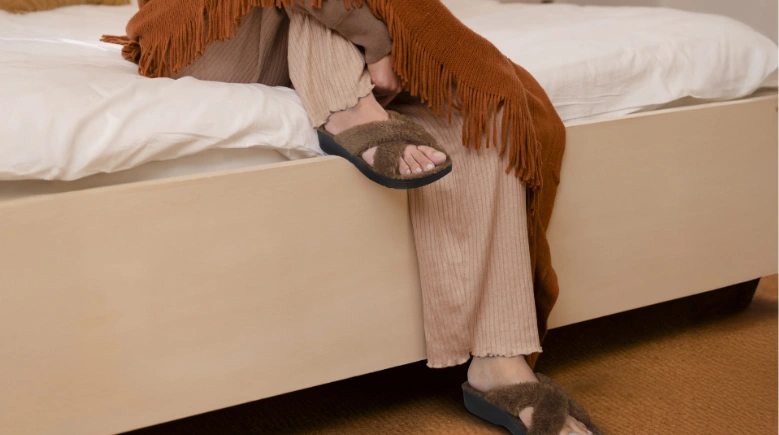
Slippers are the first thing you reach for in the morning and the last thing you kick off at night. They’re everywhere, yet most people never think twice about them. But a good pair of slippers can do a lot more than just keep your feet warm.
At their core, slippers are lightweight, easy-to-wear shoes designed primarily for indoor use. They’re built to slip on without laces or buckles, making them comfortable from the moment your feet land in them. Their recorded history traces back to the 12th century, with Chinese slippers dating as far back as 4,700 BC, crafted from cotton and woven rush with leather linings.
How Should a Slipper Fit?
A well-fitting slipper should feel snug without squeezing, and secure without gripping. Podiatrists generally recommend slippers with these fit qualities:
- Your heel: should rest flat inside the slipper, not hanging off the back or being pushed up.
- Your toes: should have about half an inch of space at the front so they can spread naturally without pressing against the edge.
- The sides: should feel snug but not pinching. If your foot bulges over the sides, the fit is too narrow.
- The sole: should be firm enough to support your arch. Walking long hours on hard floors without proper support can cause heel strain and plantar fasciitis.
- Closed-back styles: offer a more secure fit and are better for all-day wear. Open-heel styles (mules) give more airflow but may slip during active movement.
How to Choose Slipper Size?
Slipper sizing varies more than regular shoes, so it pays to be careful. Here’s a step-by-step approach to getting the right size:
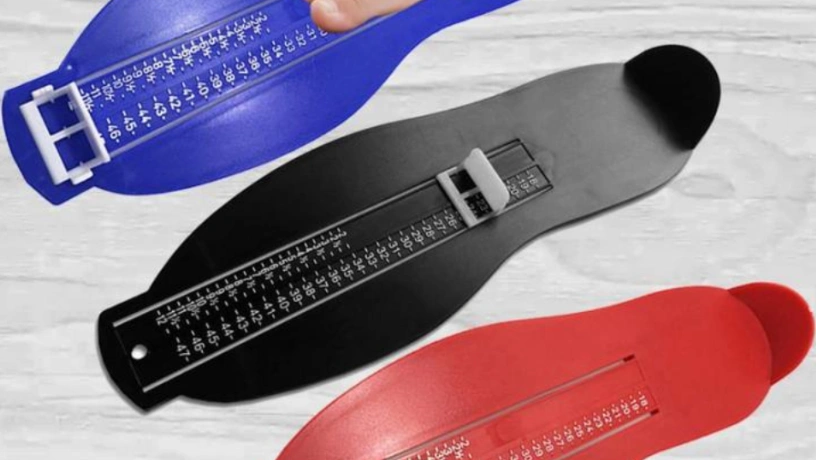
• Measure your foot
In the afternoon, feet swell slightly throughout the day, so an afternoon measurement gives the most accurate result.
• Use the brand’s size chart, not just general S/M/L labels
Match your foot length in centimeters or inches to the chart for best results.
• When between sizes, go up
A slightly roomier slipper is far more comfortable than one that pinches.
• Consider the slipper type
Boot and closed-toe styles fit closer to regular shoes. Mules and sandal-style slippers tend to run a bit more forgiving.
If you are buying as a gift, always go one size up. Most people prefer slippers with a little extra room.
How to Fix a Broken Slipper?
A broken slipper doesn’t have to mean a trip to the bin. Most common problems are fixable at home with the tools you already have. Here are practical fixes:
- Peeling sole: Apply shoe adhesive or contact cement between the sole and upper, press firmly, and clamp or tape together while it dries. It usually takes 24 hours for a strong bond.
- Broken toe post: Thread a thick cord or fabric strip through the hole in the footbed and tie a large knot on the underside to act as an anchor.
- Loose or detached strap: A bread tag, safety pin, or soda can tab can be threaded through the strap as a temporary stopper when the strap pulls through the sole.
- Worn-out footbed: Cut a pair of insoles to fit and place them inside. This restores cushioning and gives the slipper a second life.
- Torn fabric upper: Glue a patch of matching fabric over the tear using fabric-safe adhesive, then reinforce with hand stitching for a durable repair.
How to Get Rid of Slipper Smell?
Slipper odor is caused by sweat and bacteria, which is normal, but very fixable. Here are the most effective methods:
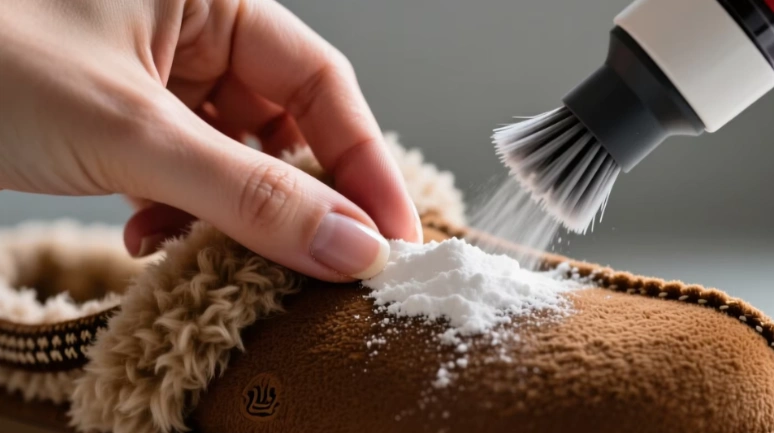
- Baking soda: Sprinkle inside each slipper and leave overnight. Shake out in the morning. It neutralizes odors rather than just covering them up.
- White vinegar spray: Lightly mist the insole with diluted white vinegar and allow to air-dry completely. The vinegar smell disappears as it dries, taking the bad odor with it.
- Machine washing: For fabric slippers, place them in a mesh bag and run on a gentle cold cycle with mild detergent. Always air-dry, as heat from a dryer can warp the shape.
- Cedar inserts: Cedar shoe inserts absorb moisture long-term and keep things fresh between wears. A simple and sustainable solution.
- Replace the insoles: If the smell persists after cleaning, new insoles are inexpensive and make an enormous difference. Most insoles can be trimmed to fit any slipper.
Where to Buy a Slipper?
There are many places to buy flip-flops, from department stores and footwear brands to large online marketplaces. These options are convenient for standard styles, but they are often limited when it comes to customization or small-batch orders.
For people who want something more personalized—whether for a small event, a brand idea, or a custom design—FastPrintStar offers another option to consider.
FastPrintStar focuses on custom-made products where users can upload their own designs, add logos or text, and adjust colors based on their needs. Once a design is submitted, it is checked by the team before production to make sure it works well for printing and manufacturing.
One practical detail is that there is no minimum order requirement. This means you can order a single piece for testing or personal use, or place larger orders if needed. This can be useful for trying out ideas before committing to bulk production.
Shipping is handled through major carriers like UPS, and the cost is included in the product price, so there are no separate shipping fees added later.
With experience in custom manufacturing, FastPrintStar produces a range of lifestyle items, including slippers, tote bags, pillowcases, and custom keychains. The focus is mainly on turning provided designs into finished products in a consistent way.
For people or businesses looking for customizable lifestyle products rather than off-the-shelf items, it’s one of the available options in the market.