Table of Contents
ToggleHow to Wash a Safety Vest
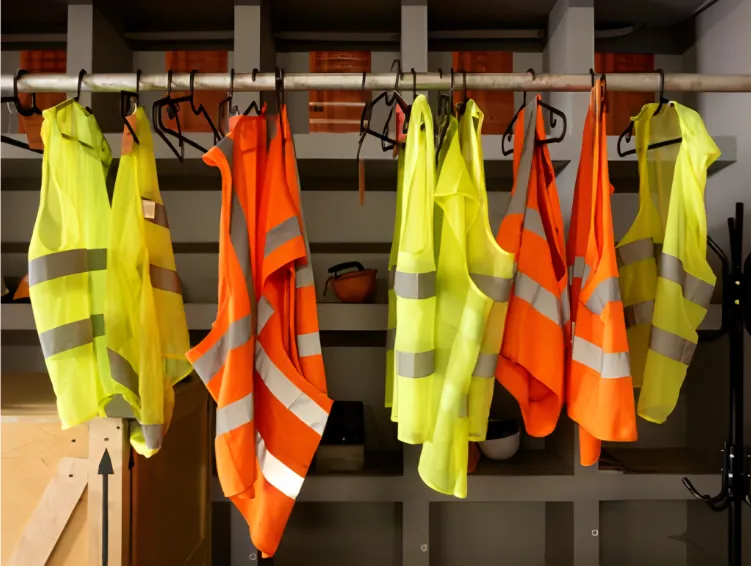
Since the 1930s, when the Switzer brothers decided to make their dye experiment a global sensation that changed the safety standards in the railway and construction industries, safety vests have become an essential piece of personal protective equipment that is worn by construction workers, warehouse employees, emergency responders, and many others who work in an environment where visibility is important to reduce the risk of accidents. However, safety vests are constantly exposed to dirt, dust, grease, sweat, and other contaminants that can make them less effective over time. Regular cleaning is necessary to maintain their visibility, appearance, and performance. At the same time, improper washing or drying methods can damage the fabric and reflective materials, shortening the vest’s lifespan. In this guide, you’ll learn how to wash a safety vest correctly, whether it can be machine washed, and if it’s safe to put one in the dryer.
What Are Safety Vests Made Of?
Custom safety vests are made from a series of materials including polyester mesh, polyester fabrics, reflective tape, and many others. Understanding the key details, pros and cons, and also how durable each of these materials is will give you insight into how you can choose the right one for your job, and how you can care for each of them. Depending on the intended use, safety vests may be constructed from:
- Polyester mesh: A lightweight, breathable fabric commonly used in warm-weather environments. The mesh design allows air to circulate, helping workers stay cool during long shifts.
- Solid polyester fabric: Offers greater durability and is often used in construction, industrial settings, and colder weather conditions.
- Reflective tape: Typically made from microprismatic or glass-bead reflective materials attached to the vest. These strips reflect light from vehicle headlights and other light sources, making the wearer visible in low-light and nighttime conditions.
Some specialized safety vests may also include additional materials such as flame-resistant fabrics, waterproof coatings, or reinforced pockets for carrying tools and equipment.
Material | Purpose | Benefits | Care Considerations |
Polyester Mesh | Main vest fabric for warm-weather use | Lightweight, breathable, and comfortable | Wash gently to prevent fabric wear |
Solid Polyester Fabric | Main vest fabric for heavy-duty applications | Durable, tear-resistant, and long-lasting | Avoid high heat to prevent damage |
Reflective Tape (Glass Bead or Microprismatic) | Enhances visibility in low-light conditions | Reflects light from headlights and other sources | Keep away from bleach, fabric softeners, and high dryer temperatures |
Fluorescent Dye Coating | Creates bright safety colors such as yellow-green and orange | Improves daytime visibility | Excessive washing and sunlight can cause fading over time |
Flame-Resistant Materials (Specialized Vests) | Protects workers in high-heat environments | Adds fire resistance and safety | Follow manufacturer-specific cleaning instructions |
Can Safety Vests Be Washed?
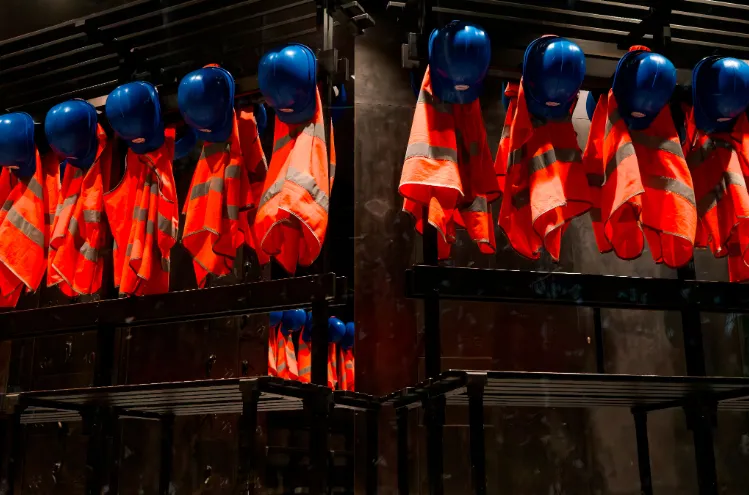
Yes, of course. Custom safety vests can and should always be washed regularly. This is not just to maintain visibility alone; you need to wash your safety vest to ensure cleanliness and effectiveness. With consistent usage in factories and other places, safety vests tend to absorb dirt, grease, water, and other contaminants that, if left uncleaned, can be hazardous to your health and well-being. Besides that, the more a safety vest is left unwashed, the more it becomes less visible and potentially reduces its ability to keep workers safe.
The good news here is that safety vests produced by Fastprintstar have one of the most important features that keep them ahead of other contemporaries. Our custom safety vest is designed to withstand routine or emergency cleaning, helping ensure it maintains its safety performance when properly washed according to our instructions.
Are Safety Vests Machine Washable?
In many cases, safety vests can be machine washed, but it depends on the material, construction quality, and manufacturer’s care instructions. Since most safety vests are made from polyester and reflective materials, they can usually withstand gentle machine washing. While it’s quite surreal and sweet washing your safety vest by machine, improper washing settings can damage the reflective strips and reduce the vest’s visibility performance over time. To be on the safer side, always check the safety vest care label at the back of the vest to understand the steps and the proper machine settings to use. The following are the symbols or instructions you should look for:
- Water temperature (cold, warm, or hot)
- Wash cycle type (gentle, normal, or hand wash only)
- Drying restrictions
Note: If the label says “hand wash only,” it is best to avoid machine washing altogether.
Can You Put a Safety Vest in the Dryer?
This is quite specific to the dryer heat settings. A very high-heat dryer tends to burn or destroy your safety vest reflective strips, fluorescent fabric, or generally reduce its lifespan. However, in instances where manufacturers do allow tumble drying your safety vest, ensure that you set that to a very low heat cycle. The following are safe drying alternatives for your safety vest.
Hang the Vest to Air Dry
After washing, gently shake out excess water and hang the vest on a clothesline or hanger. This allows the fabric to dry naturally without exposing it to damaging heat.
Dry in a Shaded Area
If drying outdoors, choose a shaded location whenever possible. Direct sunlight can gradually fade fluorescent colors, especially if the vest is exposed for extended periods.
Lay Flat for Delicate Vests
For older vests or those with extensive reflective material, laying the vest flat on a clean towel can help prevent stretching and maintain its shape during drying.
How to Wear a Safety Vest Properly

While a safety vest is designed to make you easily noticeable in hazardous environments, especially around moving vehicles and heavy equipment, wearing it correctly is the major factor to get the best out of it. The following factors are worth keeping in mind before wearing a safety vest.
1. Choose the Correct Size
A safety vest should fit comfortably over your regular work clothing without being too tight or too loose. A vest that is too small may restrict movement and leave parts of your clothing exposed, while an oversized vest can snag on equipment or create unnecessary hazards. When selecting a safety vest, consider the layers of clothing you may wear underneath, particularly during colder months.
2. Wear the Vest as the Outermost Layer
To maximize visibility, the safety vest should always be worn over jackets, hoodies, rain gear, or any other outer clothing. Wearing the vest underneath other garments can hide the fluorescent fabric and reflective strips, making it difficult for others to see you from a distance.
3. Fasten All Closures Properly
Whether your vest uses zippers, hook-and-loop fasteners, snaps, or buttons, ensure all closures are secured while working. An unfastened vest can shift position, reducing visibility and potentially creating a safety risk. Properly fastening the vest also helps maintain a professional appearance and ensures the reflective materials remain in their intended positions.
4. Keep Reflective Strips Visible
Reflective tape is one of the most important features of a safety vest. Avoid covering the reflective strips with tools, backpacks, harnesses, or other equipment whenever possible. The reflective material should remain visible from all angles to provide maximum effectiveness in low-light or nighttime conditions.
5. Inspect the Vest Before Wearing
Before each use, check your safety vest for signs of wear or damage. Look for faded colors, torn fabric, missing reflective strips, or excessive dirt that could reduce visibility. If the vest no longer provides adequate visibility, it should be cleaned or replaced as necessary.
6. Follow Workplace Safety Requirements
Different workplaces and industries may require specific classes or types of safety vests based on the level of risk involved. Always wear the vest specified by your employer or job site regulations to ensure compliance with safety standards and adequate protection.
Where Can I Get a Safety Vest?
If you’re looking for a high-quality Custom Safety Vest With Pockets, we offers both standard and fully customized high-visibility vests for businesses, organizations, and individuals starting from just $9.99.
Our biggest advantage is full customization. You can personalize your safety vests with company logos, employee names, job titles, custom text, or branded graphics to match your brand identity and workplace needs.
We also offer a wide range of materials and design options to suit different working environments, including warp-knit polyester and durable woven fabrics, with multiple color options available. Designs are available with or without pockets to support different job requirements.
For workers who need easy access to tools, pens, or small essentials, pocketed safety vests provide added convenience without compromising visibility or compliance.
Conclusion
Properly caring for your safety vest is essential to maintaining its visibility, durability, and effectiveness on the job. Regular cleaning helps remove dirt, grease, and other contaminants that can reduce the brightness of fluorescent fabrics and the performance of reflective strips. By following the correct washing and drying methods, you can extend the lifespan of your vest while ensuring it continues to provide the visibility needed to stay safe in hazardous work environments.
If you’re looking for a new safety vest or considering a customized option, FastPrintStar offers a wide range of high-visibility safety vests designed for comfort, durability, and professional branding.
With the right vest and proper care routine, you can stay visible, protected, and prepared for the demands of your work environment.