
Table of Contents
ToggleHow to Choose Sneakers
Choosing the right pair of sneakers shouldn’t feel complicated, but with hundreds of trends flooding the market, it’s easy to feel overwhelmed. This guide breaks down everything you need to know to make a smart, confident choice that fits your lifestyle, budget, and personal style.
What Are Sneakers?
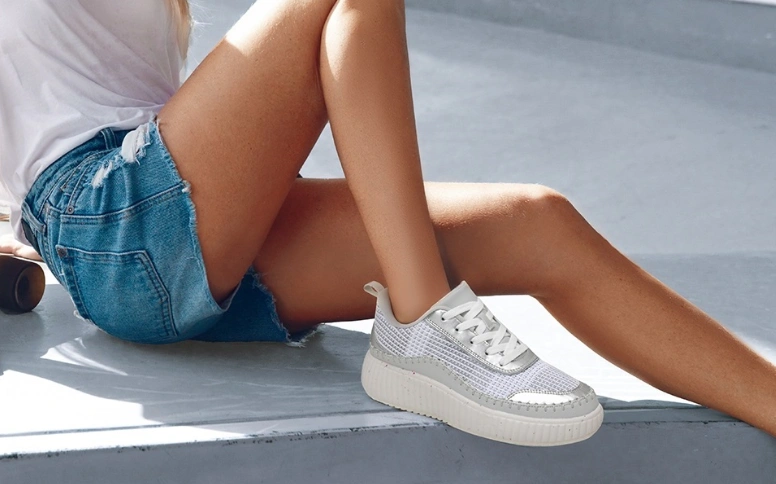
Sneakers, also known as trainers in the UK or athletic shoes, are shoes primarily designed for sports or physical exercise. Nowadays, they are widely used for everyday casual wear as well. The word “sneaker” itself comes from the fact that the rubber soles made the wearer’s footsteps nearly silent, allowing them to move quietly or “sneak” around.
What sets sneakers apart from other types of footwear is their flexible, rubber soles and their lightweight, comfortable construction.
What Sneakers Are in Style 2026?
The sneaker landscape of 2026 is all about a real-life aesthetic that prioritizes wearability, refined textures, and sleek silhouettes over flashy hype.
Here are the top 5 sneaker trends dominating in 2026:
1. The Rise of Air Sneakers
High-fashion ateliers are pivoting toward a “weightless” aesthetic. By prioritizing slim silhouettes and minimal outsoles, these designs offer a streamlined, aerodynamic alternative to chunky footwear.
2. Early-2000s Tech Runners
Nostalgia is still sprinting forward, specifically targeting the performance looks of the early millennium.
3. Terrace-Inspired Classics
While slim, retro silhouettes remain staples, the “terrace” aesthetic is evolving. Low-profile designs featuring premium suede uppers and classic gum soles have become the new favorites for those seeking a vintage-inspired yet refined look.
4. Luxury Satin & Textures
Designers are experimenting with materials that blur the line between casual and formal. The outcome is soft, satin-finished sneakers that give a grown-up and polished look.
5. Refined Chunky Silhouettes
Blending comfort with a polished aesthetic, 2026’s heritage silhouettes pair substantial builds with premium suedes and muted tones—perfect for both leisure and work.
What Are the Best Sneakers for Walking?
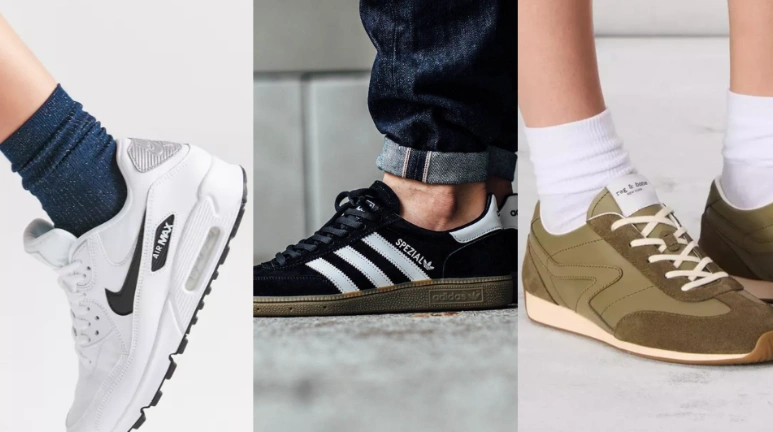
When walking is what you do most, whether it’s your daily work commute, exploring city streets, or running weekend errands, comfort and support matter more than style alone.
Look for walking sneakers with substantial midsole cushioning, solid arch support to keep your feet from getting tired, and an outsole that flexes naturally. EVA foam midsoles rank among the most popular choices for walkers.
EVA works well because it’s both lightweight and pliable while delivering excellent cushioning and impact absorption during extended wear.
What Are Sneakers Made Of?
Modern sneakers are constructed from a combination of materials, each chosen for specific performance and qualities. Understanding what goes into your sneakers can help you make more informed decisions based on your needs.
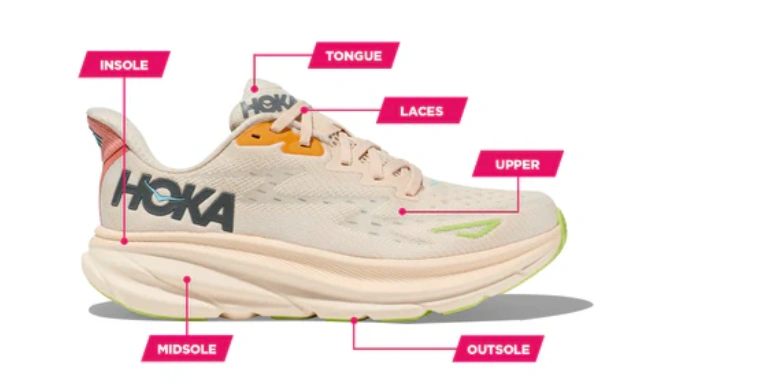
The most common materials for modern sneakers are leather, textiles, synthetics, rubber, foam, and plastic. Each material has its specific uses depending on the design and Sneaker parts.
The Upper Part
The upper part of the shoe that covers your foot is often made from leather, canvas, mesh, or synthetic materials like nylon and polyester.
The Midsole
The midsole, which provides cushioning and shock absorption, is typically made from foam materials. Polyurethane is another popular choice for midsoles.
The Outsole
The outsole is the bottom part of the shoe that makes contact with the ground, and it’s almost always made from rubber. Carbon and blown rubber are popular rubber types used for sneakers.
How Should Sneakers Fit?
Getting the fit right is the most important part of choosing sneakers, because even the most expensive, stylish pair won’t feel good if they don’t fit your feet properly. Here’s what to look for when trying on sneakers:
Length: Allow roughly a thumb’s width between your longest toe and the shoe’s front edge. Your toes need room to move without feeling squeezed or compressed.
Width: The shoe’s sides should grip your foot firmly without creating pinch points or excessive pressure. Those with broader feet should seek out wide-width options from brands offering them.
Heel fit: Your heel needs to rest firmly in the heel cup without lifting or moving as you walk. Too much heel movement often causes blisters.
Arch support: The shoe’s arch should match your foot’s natural arch position. When the support feels misaligned or insufficient, the shoe won’t suit your foot’s structure.
Lacing: Once laced properly, the sneaker should feel secure but not tight. You should be able to slide a finger under the laces comfortably.
How Long Do Sneakers Last?
The lifespan of sneakers depends heavily on how often you wear them, what activities you use them for, and how well you take care of them. For running or athletic sneakers, most experts recommend replacing them every 300 to 500 miles. This translates to about six months to a year of consistent use.
For casual lifestyle sneakers, you can expect a good pair to last from one to three years. This also depends on the quality of construction and materials. Leather sneakers tend to age better than canvas or mesh styles.
Where to Buy Custom Sneakers?
If you’re looking for sneakers that go beyond off-the-shelf options and want something personalized, branded, or uniquely yours, custom sneakers are the way to go. FastPrintStar can help you customize your sneakers with custom patches, logos, and designs that make them uniquely yours.
For custom apparel and accessories that complement your favorite sneakers perfectly, explore FastPrintStar’s selection, including custom socks, custom hats and custom water bottles.
Whether equipping a sports team, developing branded merchandise, or simply wanting gear that reflects your individual style, FastPrintStar simplifies the process of designing and ordering premium custom products that enhance your daily style.