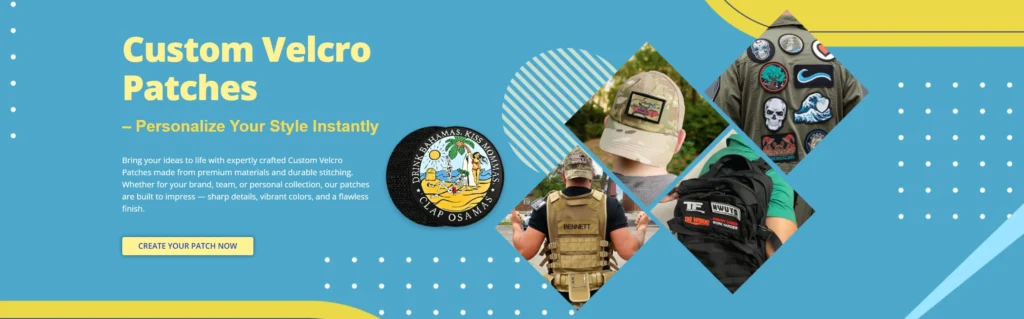
How to Choose the Right Backing for Your Custom Patches
Table of Contents
ToggleHow to Choose the Right Backing for Your Custom Patches
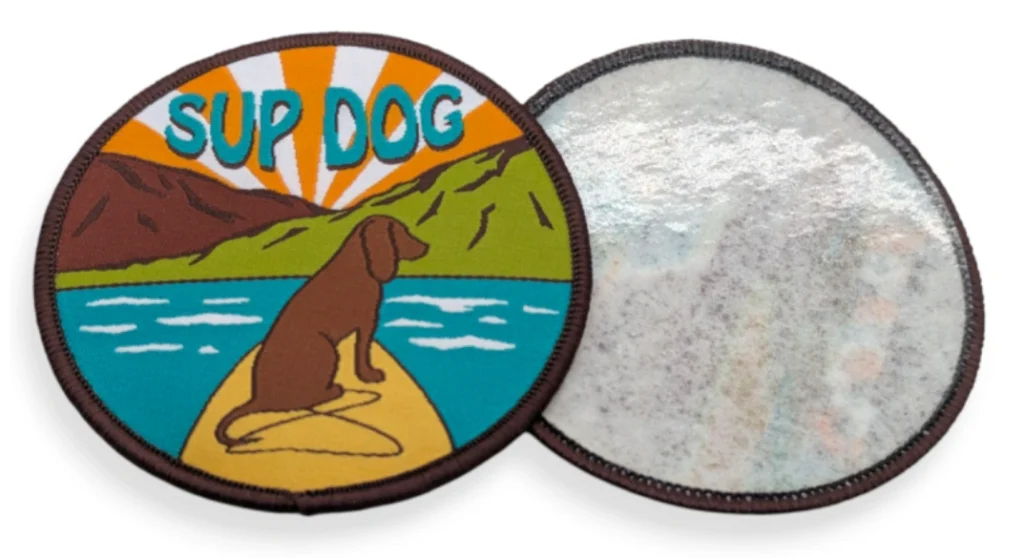
Custom patches are small details that make a big difference. They can show who you are, what you support, your religious affiliation, or add style to your clothes and accessories. While the design matters, the backing of a patch is just as crucial. The right backing helps the patch stay firm, last longer, and sit very well on the fabric you use.
In this guide, you will learn what patch backing is, the common types available, and how to choose the right one for your needs.
What Is Patch Backing?
Patch backing helps the patch stay on clothes, bags, hats, or other items. Without backing, a patch cannot be attached properly.
There are different types of backing. Some patches are sewn on, some are fixed with heat using an iron, and others stick on or use fasteners like Velcro.
The backing you choose affects how strong the patch stays, how easy it is to fix, and how long it will last. It also decides if the patch can be removed or used again.
Common Types of Patch Backing
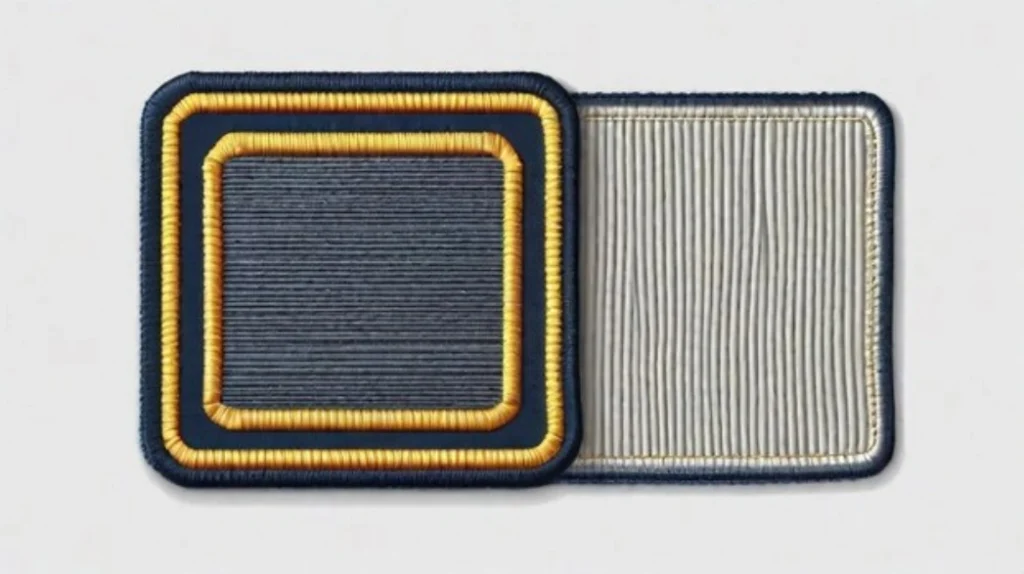
There are different types of patch backing, and each one is made for a specific use. Knowing how they work can help you choose the best option for your patch.
1. Sew-On Backing:
This is the most common and traditional type of backing. The patch is sewn directly onto the fabric using a needle and thread. It holds very well and lasts a long time, even after many washes. This type is best for uniforms, jackets, bags, and clothes that are used often.
2. Iron-On Backing
Iron-on backing has a glue layer that melts when heat is applied. You place the patch on the fabric and press it with a hot iron. It is quick, easy, and does not require sewing. This backing is good for light use, fashion items, and simple projects, but it may loosen after many washes.
3. Velcro Backing
Velcro backing allows you to attach and remove patches easily. One part of the custom Velcro patches stays on the fabric, while the patch sticks to it. This type is useful when patches need to be changed often. It is commonly used on uniforms, bags, and tactical clothing.
4. Adhesive or Peel-and-Stick Backing
This backing works like a sticker. You peel off the paper and press the patch onto the surface. It is very easy to use but not very strong. It is best for short-term use, displays, or items that will not be washed.
5. Plastic or Heat Seal Backing
This backing adds strength and helps the patch keep its shape. It makes the patch feel firm and neat. It is often used together with sewing or ironing to give extra support and help the patch last longer.
Factors to Consider When Choosing Patch Backing
Before choosing a patch backing, consider how and where the patch will be used. These simple points can help you make the right choice.
1. Purpose of the Patch
First, think about why you need the patch. Will it be worn every day, used on a uniform, or worn just once for an event? Patches that are often used need strong backing, like sew-on or Velcro. For short-term use, a lighter backing can work.
2. Type of Fabric
The fabric matters a lot. Thick fabrics such as denim, jackets, or bags can hold sew-on or iron-on patches very well. Thin or soft fabrics may tear or burn if ironed, so sewing is usually safer for them.
3. Ease of Application
Some backings are easier to use than others. Iron-on and peel-and-stick backings are quick and simple, even for beginners. Sew-on backing takes more time but stays in place much better.
4. Durability
If the patch will be washed often, choose a strong backing. Sew-on patches last the longest and stay firm after many washes. Iron-on patches may come loose over time, especially with heat and frequent washing.
Best Patch Backing for Different Uses and Fabrics
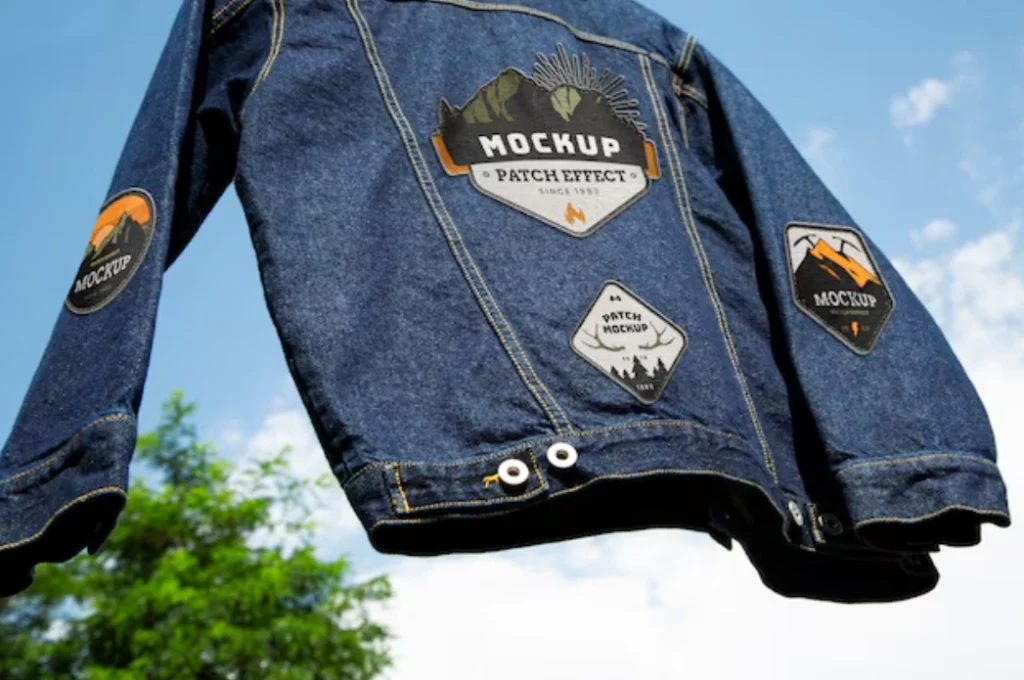
Different patches work better with different types of fabrics and uses. Here is a simple guide to help you pick the right backing.
1. Uniforms and Workwear:
For clothes that are worn every day or in tough conditions, like uniforms or work jackets, sew-on or Velcro backing is the best choice. These backings are very strong and will stay in place, even after many washes or heavy use.
2. Casual Clothing and Fashion Items:
For t-shirts, hoodies, jackets, and other everyday clothes, iron-on backing is popular. It is quick and easy to attach, and it looks neat without sewing. It works well for clothes that are not washed too roughly.
3. Bags, Caps, and Accessories
Items that are touched or used often, like backpacks, hats, or tote bags, do best with sew-on or Velcro backing. These backings keep the patch secure, even when the item is handled a lot.
4. Temporary Events or Promotions
For short-term use, like giveaways, events, or displays, adhesive (peel-and-stick) backing works well. It is simple to apply and remove, but it is not meant for long-term use or washing.
Care and Maintenance Considerations for Different Backings
Different types of patch backings need different care to stay in good condition. Here’s how to take care of them in simple everyday words:
Sew-On Patches
Sew-on patches are very strong and easy to care for. You can wash the clothes or items as usual, but try not to use very rough washing cycles or very hot water. This will keep the stitches strong and the patch looking good for a long time.
Iron-On Patches
Iron-on patches need a little more care. Turn the clothes inside out before washing. Wash with cold or warm water and avoid putting them in a very hot dryer. High heat can weaken the glue, and the patch may peel off over time.
Velcro Patches
Velcro patches can be removed and reused, so it’s best to take them off before washing the item. This protects both the fabric and the Velcro, making them last longer.
Adhesive or Peel-and-Stick Patches
These patches are not made for washing. They work best on items that won’t get wet or need cleaning often. For temporary use, just stick them on and remove when done.
Conclusion
Choosing the right backing for your patch is just as important as picking its design or colors. The backing keeps the patch secure, helps it last longer, and ensures it adheres properly to your fabric. A patch with the wrong backing can peel, shift, or wear out quickly.
Understanding the different types of patch backing makes it easier to attach, saves time, and keeps your patch looking great for years. Whether you need something strong, easy to use, or removable, there is a backing for you at Fastprintstar that perfectly suits your needs. The right choice helps your patch look neat, stay in place, and endure as long as you want.