
The Ultimate Guide to Bottle Openers
Table of Contents
ToggleThe Ultimate Guide to Bottle Openers
There’s something oddly satisfying about popping open a cold bottle after a long day. It’s a small moment, but the right tool makes all the difference. Whether you’re hosting a backyard barbecue or bartending at a busy venue, a good bottle opener is one of those humble tools you never think about until you don’t have one. This guide covers everything you’ve ever wanted to know about bottle openers, from their quirky history to where you can get the best ones.
Why Is a Bottle Opener Called a Church Key?
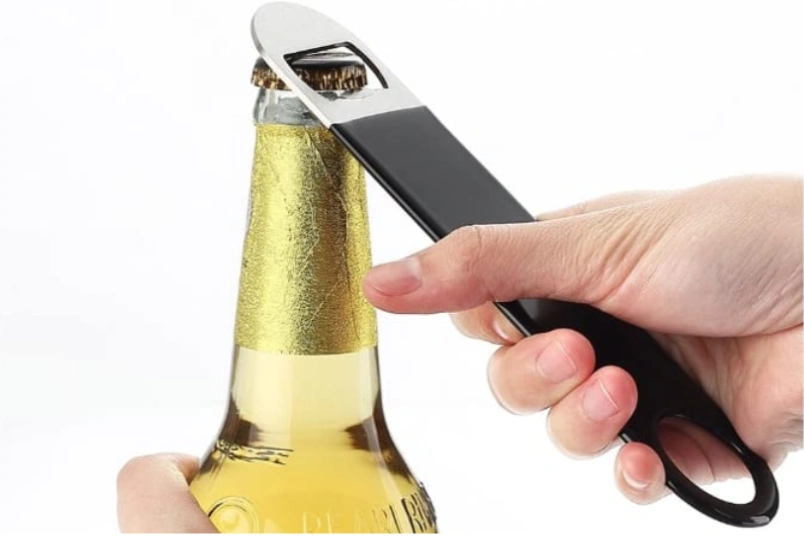
If you’ve ever heard someone call a bottle opener a “church key,” you’ve probably wondered where that name came from. It turns out to have a surprisingly interesting history rooted in early beverage culture.
The nickname traces back to the late 1800s, when beer kegs were sealed with large iron locks. The iron locks required heavy, ornate keys to open, keys that resembled those used to unlock grand wooden doors of European churches. When William Painter invented the modern crown bottle cap in 1892, breweries needed a new tool to remove it, and the flat-ended openers they created looked remarkably similar to those old keg keys. The nickname stuck, and “church key” has been used ever since to describe both bottle openers and the pointed can openers used to puncture the tops of cans.
How to Make a Bottle Opener?
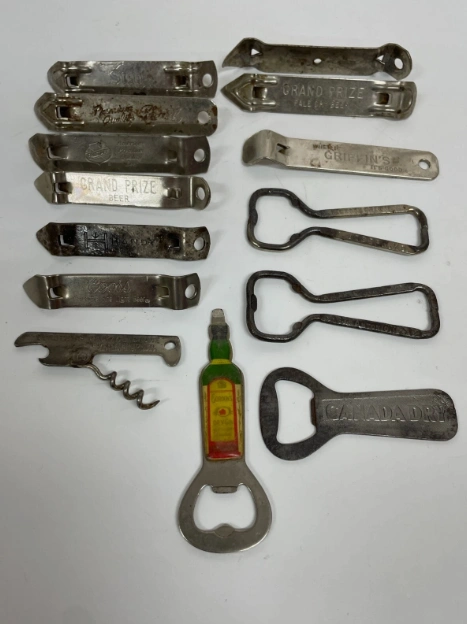
Making your own bottle opener is a genuinely achievable DIY project, and it also makes for a thoughtful, personalized gift. The most beginner-friendly method involves a flat metal bar from any hardware store, which you cut to about 4–6 inches in length, then drill a hole near one end to catch and pry off bottle caps. Filing down any sharp edges and applying a rust-resistant coating finishes the job nicely.
For those with metalworking experience, hand-forging a bottle opener from a steel rod gives stunning, rustic results that last a lifetime. Woodworkers often mount a metal opener mechanism onto a carved wooden handle to create something that’s both functional and decorative.
If you want to take things further, perhaps as a branded giveaway or personalized gift, FastPrintStar offers custom printing options that can add logos, names, or designs to finished products.
How to Open a Bottle of Bubbly?
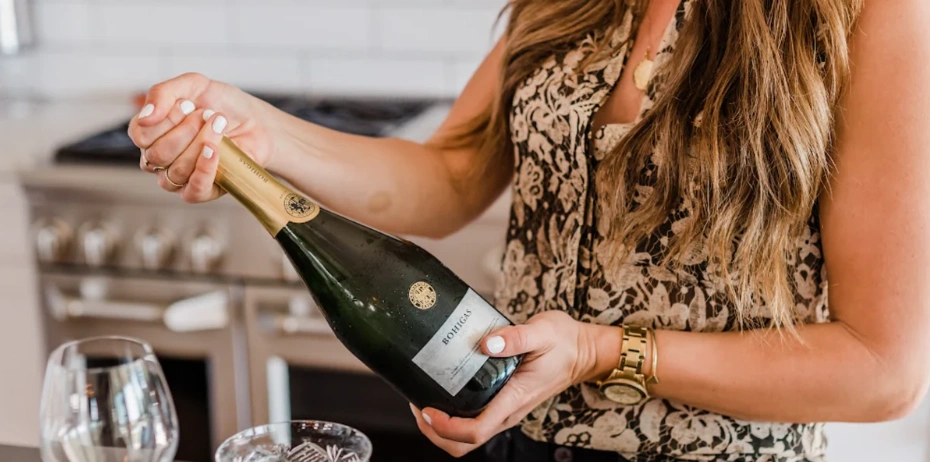
Opening a bottle of sparkling wine or Champagne looks effortless in the movies, but technique matters here. This is to ensure safety and keep your drink as fizzy as possible. According to Wine Spectator, a flying Champagne cork can travel at speeds up to 25 miles per hour, making it genuinely dangerous if mishandled. Follow the steps below for a safe bottle opening:
- Start by keeping the bottle well chilled, ideally around 45°F (7°C), as a cold bottle has significantly less internal pressure than a warm one.
- Remove the foil, then carefully untwist the wire cage or muselet, while keeping your thumb firmly over the cork.
- Once the cage is off, hold the bottle at a 45-degree angle, grip the cork firmly, and here’s the trick: twist the bottle rather than the cork.
This gives you far more control and results in a gentle, quiet release rather than a loud, wasteful pop. You’ll preserve more of the bubbles, too, which is always worth it.
Can You Bring a Bottle Opener on a Plane?
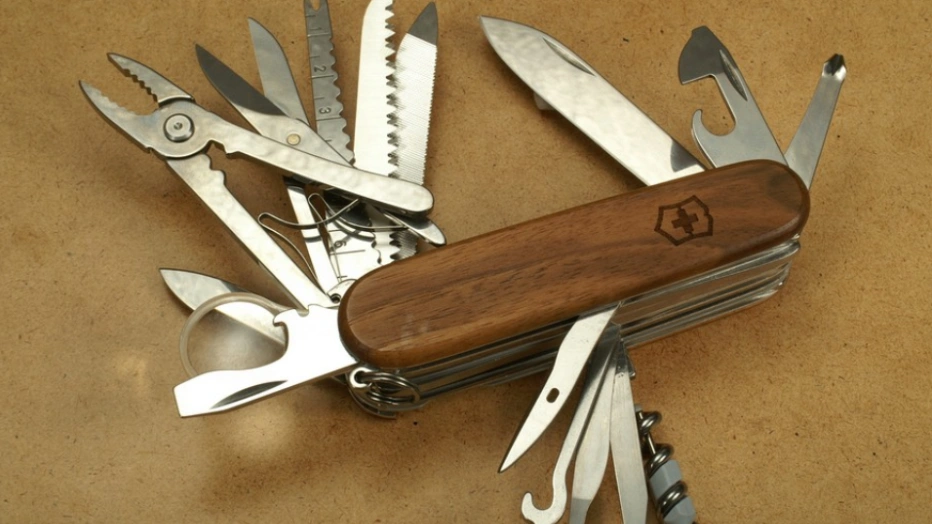
This is a travel question people always seem to remember at the last minute. The good news is that the TSA officially allows bottle openers in both carry-on and checked luggage, but with one important caveat. Any bottle opener that includes a small blade, such as a waiter’s corkscrew with a foil cutter knife, may be flagged and confiscated because blades over a certain length aren’t permitted in carry-on bags.
To keep things simple at the security checkpoint, pack multi-tool or blade-equipped openers in your checked luggage. A plain flat bar opener with no sharp components is your safest carry-on choice. If you’re traveling internationally, it’s always worth checking the rules for your destination, as regulations can differ from country to country.
Can Bottle Openers Do Other Things?
Quite a lot, actually. At its core, a bottle opener is a lever, one of the most versatile simple machines in existence.
The pointed end of a classic church key was specifically designed to puncture cans of juice or condensed milk, something campers and cooks still use it for today. Many bartenders use the flat edge of their speed openers to scrape residue off glassware in a pinch.
Multi-tool versions combine corkscrews, foil cutters, can openers, and even small screwdrivers into one compact package. Some openers feature built-in cap catchers or magnetic strips that collect caps as you open bottles. A genuinely handy feature at parties or behind a busy bar!
If you’re focused on staying hydrated without needing an opener at all, custom stainless steel water bottles and water bottles with straws are practical, reusable options worth considering.
Where Can I Buy a Bottle Opener?
For branded openers as corporate gifts, event giveaways, or wedding favors, custom printing is the smarter route. A well-made custom bottle opener with a logo or name on it is the kind of gift that ends up on someone’s keychain for years. FastPrintStar makes it easy to create personalized products that leave a lasting impression without a lot of fuss.
If you also need one for everyday home use, you can order as few as one piece on FastPrintStar, as their minimum order quantity. Even that one piece is going to be fully customized and delivered within 7 working days.
Whether you’re making one from scratch, packing one for a trip, or ordering a custom set for your next event, bottle openers are more interesting and versatile than most people ever give them credit for.