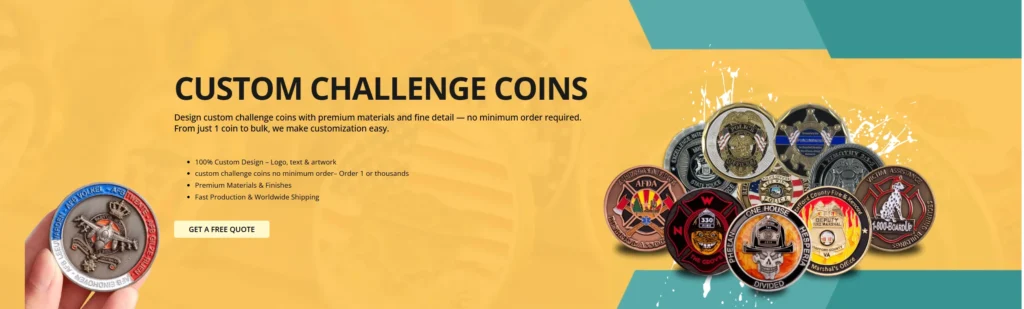
What Is a Challenge Coin and Why It Matters
Table of Contents
ToggleWhat Is a Challenge Coin and Why It Matters

Behind every challenge coin, there is a large chunk of honour and sacrifice that goes beyond what anyone can comprehend. To most people, challenge coins are just a mere piece of metal. This is far from the truth, considering the number of values and weight that this sacred piece of items carried amongst the military, community organisations, corporate agencies, and other law enforcement organisations. However, the true meaning of a challenge coin lies in this article and explains why all these important organisations in our society hold this sacred metal in high esteem. Let’s get started.
What Is a Challenge Coin?
Have you ever wondered what the essence of the metal patch attached to every country’s military officers’ shirts is? This is a challenge coin, also known as a memorial, unit, or military coin, that represents people’s achievements, recognition, and membership within a group. Unlike regular currency coins, challenge coins hold more than monetary value; they serve as keepsakes for many people, symbolising loyalty, respect, and shared experience.
Most challenge metal coins out there are made from various metals, including brass, copper, zinc, silver, and even gold, with finishes ranging from antique to enamelled designs. To make it even more personalised, like the one we produced at Fastprintstar, you can also include the group’s logo, motto, date, or symbol. It doesn’t matter where they are carried; challenge coins are tokens of excellence that tell a story of a moment that lasts far beyond the occasion they commemorate.
How Did Challenge Coins Start?
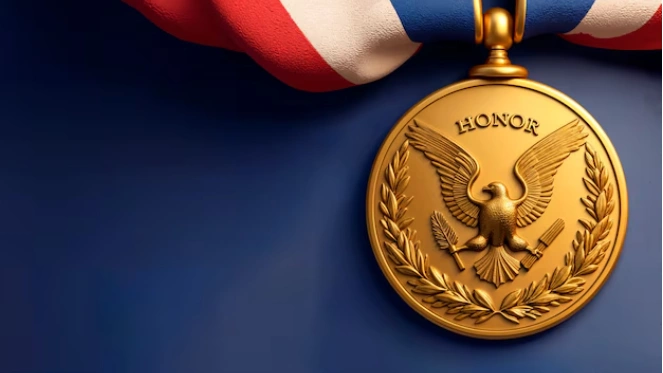
The history of the challenge coin is deeply rooted in military history, dating back to World War I. One of the widely accepted keh was that of a wealthy elite, anyone who had a bronze medallion made for members of his unit as a sign of identity and camaraderie. However, one of the pilots in these units unfortunately crashed behind enemy lines.
In a bid to blend in with the German forces, he was forced to take off his uniform and disguise himself until he could escape. Upon escaping, the allied force mistakenly took him as a saboteur. It was on the verge of execution when he pulled out the medallion he carried to help prove his identity.
While this story showcases the earlier Purpose of the challenge coin, the military tradition as it evolved, with the challenge coin becoming a tool to boost morale, strengthen bonds, and acknowledge exceptional service.
Challenge Coin Uses: Why People Give and Collect Them
One of the most common uses of a challenge coin is to recognise exceptional value or outstanding service. This is most common in the military and law enforcement settings, where personnel are often awarded for their valour, bravery, and, most importantly, for completing a mission. There is also a place for challenge coins in building group identity among teams and organisations. In such instances, receiving a challenge coin creates a picture of accomplishment for the recipient, who sees themselves as a core cog in the entire wheel. Beyond recognition, challenge coins are also appropriate for special events, milestones, and anniversaries.
We have seen many people use challenge coins as a tool to mark and preserve memories of occasions, including conferences, retirements, organisational achievements, and more. For collectors, challenge coins hold significant historical and emotional value. Some challenge coins can sell for thousands of dollars at auction houses.
Use | Purpose | Who Uses Them |
Service Recognition | Acknowledge dedication, achievement, or bravery | Military, law enforcement, and first responders |
Team Identity & Unity | Build camaraderie and a sense of belonging | Units, organisations, clubs |
Event Commemoration | Mark milestones, missions, or special events | Corporations, institutions, communities |
Leadership Appreciation | Personal recognition from leaders or commanders | Executives, officers, managers |
Collecting & Memorabilia | Preserve memories and historical significance | Collectors, veterans, enthusiasts |
Challenge Coin Traditions, Rules, and Practices
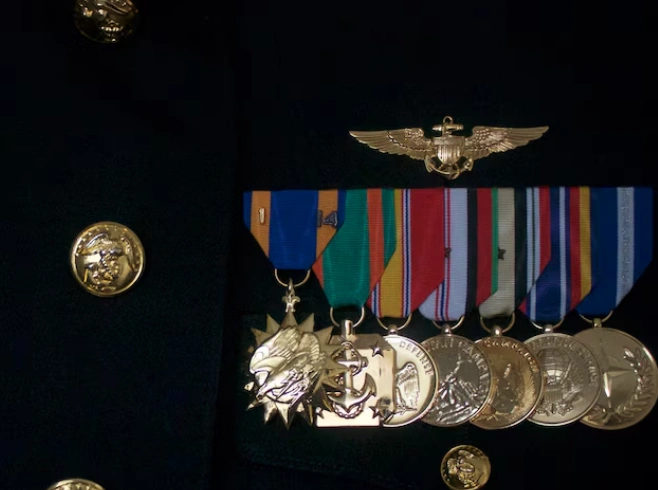
Beyond the physical form, challenge coins are surrounded by unique traditions and practices that give them core meaning. These traditions and core practices have been in play since time immemorial, and most have been passed down through generations.
One of the most well-known traditions is the “coin check.” During a social gathering, a member may call for a coin check by producing their challenge coin. Everyone present who carries a coin must immediately show theirs. Anyone who cannot produce a coin is typically required to buy a round of drinks or accept a lighthearted penalty, while those who succeed take pride in being prepared. This tradition reinforces camaraderie and the importance of always carrying your coin.
There are also unspoken rules about how challenge coins are given. Traditionally, a coin is presented directly from one person to another, often with a handshake, making the exchange personal and respectful. Coins are usually earned, not requested, and presenting one is considered an honour rather than a formality.
Another important tradition about the challenge coin is the proper etiquette associated with it. Most people see throwing or sliding a coin across a table as disrespectful.
It can be said that most of these traditions for challenge coins originated in military settings. However, these practices and traditions have been expanded into the corporate setting, even as far as many clubs and communities see these rules as a fit for their culture.
How to Clean Challenge Coins for Long-Lasting Shine
Proper cleaning is essential to preserve the appearance and detail of a challenge coin, especially since many coins are made from metals that can tarnish over time. Because challenge coins often carry sentimental or historical value, cleaning should always be done carefully to avoid damaging the finish.
Challenge coins are commonly made from brass, copper, zinc alloy, or plated metals, and may feature polished, antique, or enamel-filled designs. Antique-finish coins, in particular, should be cleaned gently to avoid removing intentionally darkened details.
Gently wash the coin with your fingers or a soft microfiber cloth to remove dirt and oils. Avoid abrasive materials such as rough sponges, paper towels, or brushes, as these can scratch the surface. Rinse thoroughly, pat dry with a soft cloth, and never air-dry, as this can cause water spots.
Suppose a coin has stubborn tarnish; a non-abrasive metal cleaner may be used, but only if the manufacturer recommends it for that specific metal. Test any cleaner on a small, hidden area first. Avoid harsh chemicals, vinegar, baking soda, or polishing compounds, especially on enamel-filled or antique-finish coins, as these can permanently damage the design.
Cleaning is only part of preservation; proper storage helps maintain a coin’s shine over time. Store challenge coins in protective cases, soft pouches, or display frames away from moisture, heat, and direct sunlight. Wearing cotton gloves when handling collectable or display coins can also prevent fingerprints and oils from dulling the surface.
Conclusion: Why Challenge Coins Still Matter Today
Challenge coins may be small, but their meaning is everlasting. These important items not only share values, recognition, and moments of shared interest; they are also a thin slice of prehistoric history preserved. From their military origins to their modern use, challenge coins have remained important in this increasingly digital world. At Fastprintstar, we specialise in the manufacturing of high-quality custom challenge coins that are designed to capture your unique meaning and durability. Without fast turnaround and professional design support, Fastprintstar offers organisations, yes, and individuals the chance to turn their ideas into memorable keepsakes that stand out in trust.