
Tactical Patches Guide: Types, Uses, and Proper Placement
Table of Contents
ToggleTactical Patches Guide: Types, Uses, and Proper Placement

Tactical patches represent far more than simple fabric decorations on military uniforms and tactical gear. These specialized insignias communicate critical information about identity, rank, unit affiliation, and expertise. Understanding tactical patches helps you use them appropriately and respectfully. This comprehensive guide explores everything from patch types to placement protocols and practical usage tips.
What Are Tactical Patches?
Tactical patches are purpose-built fabric insignias specifically designed for military uniforms, law enforcement equipment, and tactical gear. Unlike ordinary decorative patches, these serve functional roles including identification, communication of critical medical information, unit recognition, and operational safety in high-stress situations. According to military uniform regulations, proper patch placement follows strict protocols that vary by branch of service and country.
The attachment method significantly impacts functionality. Velcro backing, officially called a hook-and-loop fastener, dominates tactical applications because it allows rapid patch swapping based on mission requirements, operational security needs, or changing assignments. This removable system lets personnel quickly transition between different roles or units without permanent uniform modifications.
This instant recognition system proves especially critical during emergencies, combat operations, or disaster response scenarios where quick coordination saves lives.

Common Types of Tactical Patches
Understanding tactical patch categories helps you select appropriate patches for specific purposes and ensures you respect the meaning behind official military insignias.
Official Identification Patches
Name Tapes that display service members’ surnames in clear, standardized lettering. Placement typically appears on the chest area for immediate identification.
Rank Insignia Patches that communicate hierarchical position through symbols, stripes, chevrons, or specialty insignias. The shoulder sleeve insignia tradition dates back generations and remains central to military identity.
Unit Patches identify specific military units, police departments, fire stations, or organizational affiliations.
Medical and Safety Patches
Blood Type Patches display critical medical information in large, high-contrast letters. During emergencies requiring immediate transfusions, visible blood type information on tactical gear provides lifesaving data when victims cannot communicate.
Medical Qualification Patches indicate personnel trained to provide emergency medical care. Red cross symbols, “MEDIC” text, or caduceus medical symbols help injured individuals quickly locate qualified responders.
Specialized Tactical Patches
Infrared (IR) Patches appear normal under visible light but glow when viewed through night vision equipment. This technology enables friendly force identification during darkness without alerting enemies.
Reflective Patches provide high visibility during low-light conditions for search and rescue operations, where being easily seen enhances safety and mission effectiveness.
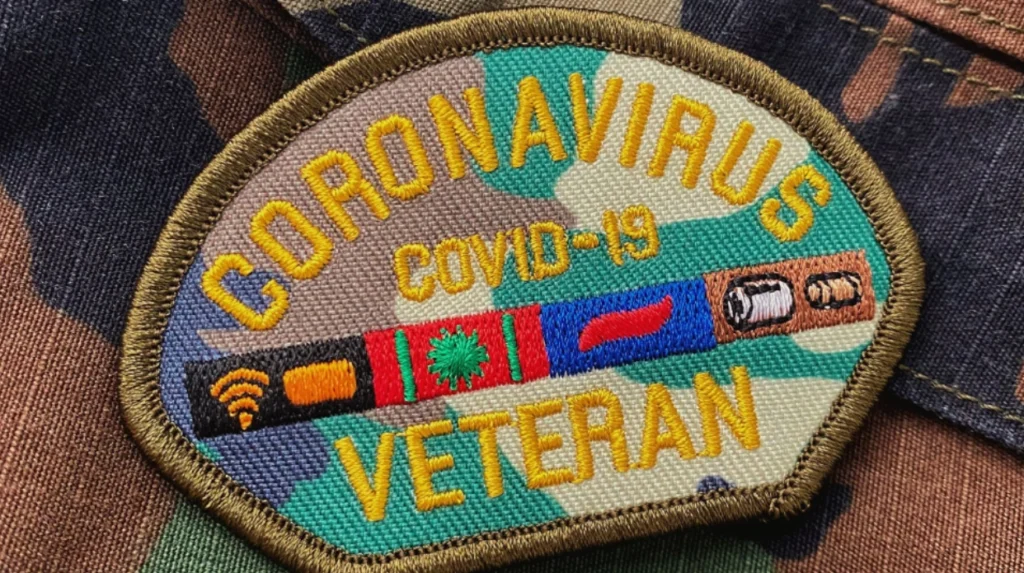
How to Place Tactical Patches on Gear and Apparel
Strategic patch placement ensures functionality while maintaining professional appearance and regulatory compliance.
Tactical Vest and Plate Carrier Placement
Front Panel Organization:
- Upper center chest: Name tape or call sign identification
- Left chest: Unit patch or organization logo
- Right chest: Flag patch or current rank
- Lower chest: Blood type patch positioned for emergency access
Shoulder Panels:
- Left shoulder: Current unit assignment patch
- Right shoulder: Combat service patches (if earned)
- Alternative locations for flag patches or specialty identifiers
Back Panel Display: Large identification patches, including “POLICE,” “SECURITY,” “FIRE,” “MEDIC,” or “K-9,” provide immediate role recognition from behind. Standard sizing ranges from 4×10 inches to maximize visibility at a distance.
Military Uniform Placement
Military uniforms follow precise regulations detailed in branch-specific documents like Army Regulation 670-1. General guidelines include:
Sleeve Positioning:
- Left sleeve: Current unit patch positioned approximately 1/2 inch below the shoulder seam
- Right sleeve: U.S. flag patch or combat service identification
Chest Configuration:
- Right chest: Name tape above pocket
- Left chest: Branch identifier above pocket
- Center placement: Rank insignia per uniform specifications
Always consult current regulations for your specific branch and unit, as requirements update periodically and vary between service branches.
Backpack and Bag Customization
Front panels offer maximum visibility for identification patches or organizational logos. Side panels accommodate smaller patches expressing personal interests or affiliations. Top surfaces work well for name patches visible when bags rest on surfaces. Shoulder straps may support small patches if loop material exists.

Rules and Etiquette for Wearing Tactical Patches
- Follow Official Regulations: Mandatory compliance with branch-specific patch regulations regarding types, sizes, colors, and exact positioning
- Earn Your Patches: Only wear insignias for ranks, units, or qualifications legitimately earned through service
- Maintain Professional Standards: Keep patches clean, properly aligned, and securely attached
- Verify Morale Patch Policies: Some units permit unofficial patches while others prohibit them entirely
Civilians
Acceptable Practices:
- Wearing morale patches expressing humor, interests, or values
- Displaying flag patches showing patriotism
- Using generic tactical-style patches without specific unit insignias
Prohibited Actions:
- Wearing patches representing specific ranks, units, or achievements not earned
- Misrepresenting yourself as active military, law enforcement, or emergency services
- Using patches to fraudulently claim benefits or respect
The Stolen Valor Act prohibits falsely claiming military service, awards, or decorations for personal gain. Respect those who served by avoiding misrepresentation.
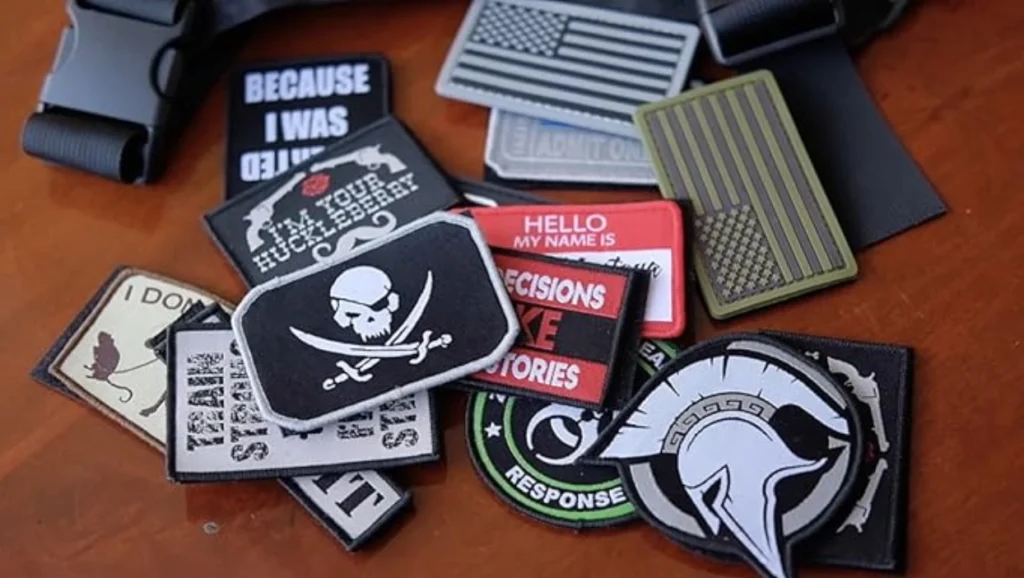
Tips for Using Tactical Patches Effectively
Choose Quality Construction: Invest in well-made patches with strong stitching, durable materials, and quality backing.
Match Your Environment: Select subdued colors (black, olive drab, coyote tan) for professional tactical settings. Bright colors work for casual applications.
Secure Attachment Matters: Regularly inspect, clean hook-and-loop surfaces periodically. Use sew-on for frequently used patches.
Balance Visual Design: Avoid overcrowding gear with excessive patches. Strategic placement with intentional spacing looks professional.
Get Your Custom Tactical Patches from FastPrintStar
When you need professional-grade tactical patches that meet demanding standards, FastPrintStar delivers military-quality products built for serious use.
Their tactical patches are military-grade construction, with high-duty materials, velcro backing options, and custom PVC patches alternatives. They also provide you with completely customized tactical patches that meet your preferences in terms of shapes, sizes, color schemes, and backing options.
FastPrintStar also delivers patches as fast as possible without compromising quality. They understand that military units and security organizations often need patches on a tight deadline.
What are you still waiting for? Visit FastPrintStar today and place your order for tactical patches in less than five steps!