
What is the Difference between Embroidered and Woven Patches?
Table of Contents
ToggleWhat is the Difference between Embroidered and Woven Patches?
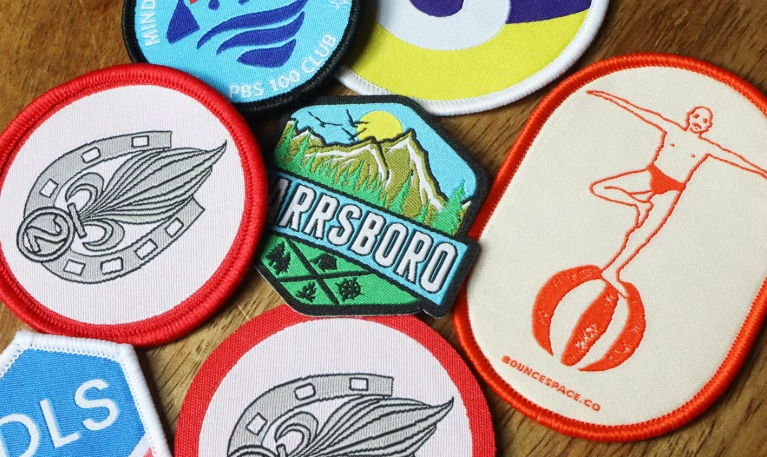
Choosing between embroidered and woven patches can feel confusing. Both types look great and serve similar purposes, but they have important differences that affect how your design will look and feel. Understanding these differences will help you pick the perfect patch style for your project!
What Are Embroidered Patches?
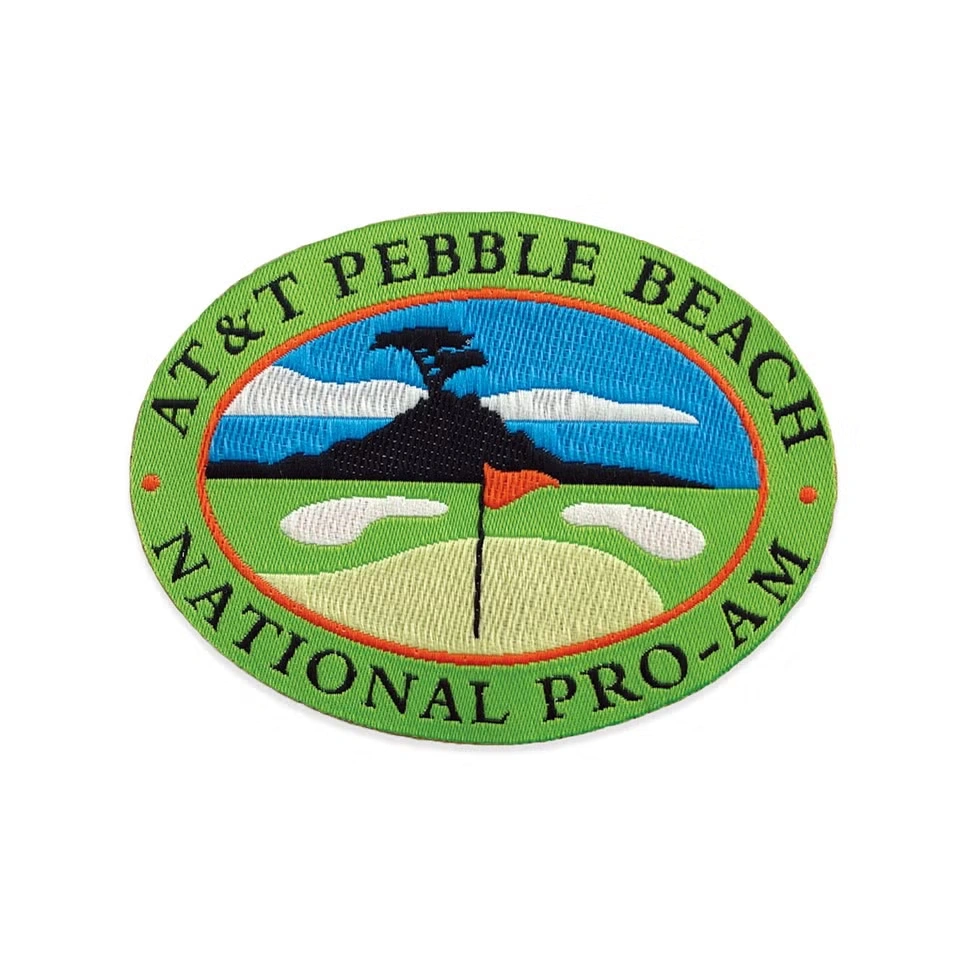
Embroidered patches are the most popular and traditional type of patch. They’re made by stitching thick embroidery thread onto a fabric base, usually twill or felt material. This stitching process creates a raised, three-dimensional design that you can see and feel. When you run your fingers across an embroidered patch, you’ll notice the threads stick up from the surface, giving the patch texture and depth.
The embroidery process uses special machines that stitch thread back and forth across the fabric backing in specific patterns to create your design. Each colored section uses a different color thread, and the machine layers these threads on top of the base fabric to build up the image.
What Are Woven Patches?
Woven patches take a different approach to creating custom designs. Instead of stitching thick thread on top of a base fabric, woven patches use very thin threads that are woven tightly together to form the entire design. The threads go over and under each other in a tight pattern that creates a smooth, flat surface with no raised texture.
Because woven patches use much thinner threads than embroidered patches, they can show incredibly fine details. Small text, thin lines, and complex designs all come out looking crisp and clear on woven patches.
Key Differences in Texture, Detail, and Durability
Understanding the main differences between these two patch types will help you make the best choice for your needs.
Texture Differences
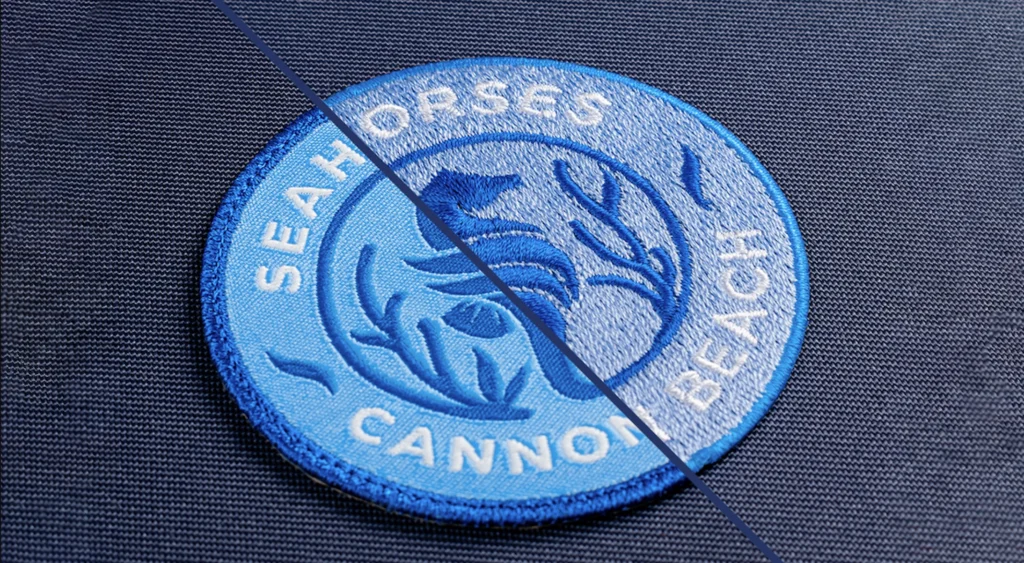
The most obvious difference is how the patches feel. Embroidered patches have a raised, bumpy texture from the thick threads stitched onto the backing fabric. When you touch them, you feel the dimension and can trace the design with your fingers. Woven patches feel completely smooth and flat, more like touching a piece of tightly woven fabric.
Detail Level
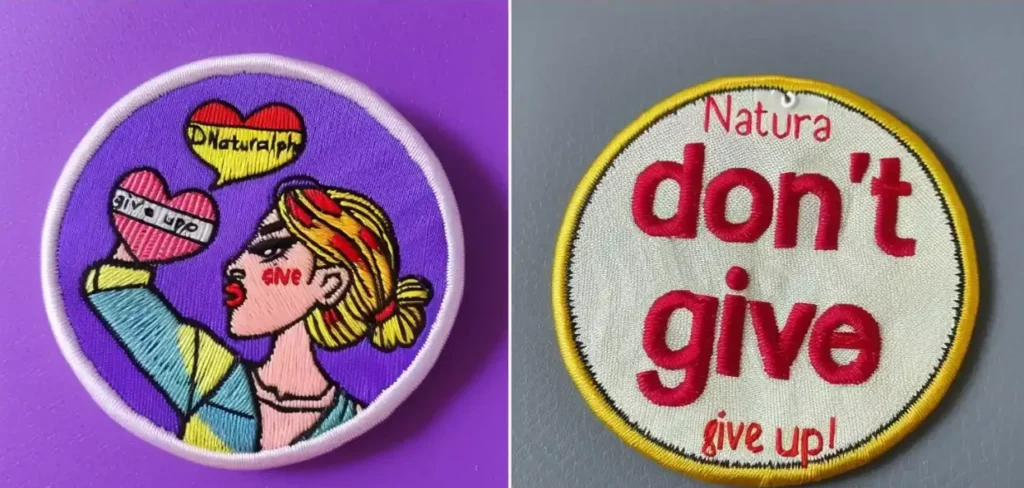
Woven patches win when it comes to showing fine details. The thin threads used in weaving can create sharp lines, clear small text, and intricate patterns that embroidered patches simply cannot match. Woven patches are perfect for designs with smaller texts and a thin line. Embroidered patches work better for bold, simple designs with thick letters and clear shapes, where the raised texture adds visual impact.
Durability and Strength
Both patch types are very durable and will last for years with proper care. Embroidered patches tend to be slightly thicker and more robust because of the multiple layers of thread built up on the backing. Woven patches are also durable, but being thinner and flatter, they might show wear slightly faster on items that get lots of rubbing.
Common Uses of Embroidered vs Woven Patches
Different situations call for different patch styles. Here’s when to use each type.
Best Uses for Embroidered Patches
Embroidered patches shine in traditional settings where you want a bold, eye-catching look. They’re perfect for sports team uniforms, military and police uniforms, school clubs, scout troops, and organizations. Company workwear and employee uniforms benefit from embroidered patches that project quality and permanence.
Best Uses for Woven Patches
Woven patches excel in situations requiring detail and a modern look. Fashion brands use woven patches on trendy clothing because the smooth appearance looks contemporary. Baseball caps and thin hats work better with woven patches since they’re lightweight and don’t create bulk.
Corporate branding on dress shirts or professional attire benefits from the sleek appearance of woven patches.

Which Patch Is Better for Your Design?
The right choice depends on several factors about your specific project.
Choose Embroidered Patches If:
Your design features bold shapes and thick text that will look great with raised texture. You want a traditional, classic appearance that commands attention. The patches will go on heavy fabrics like denim jackets or thick uniforms. You prefer the handcrafted, dimensional look that embroidery provides.
Choose Woven Patches If:
Your design includes fine details, small text, or intricate patterns that need to stay clear. You want a modern, sleek look with a flat, smooth finish. The patches will attach to lightweight fabrics or thin hats. You need patches produced quickly since woven patches often have shorter production times.
Where to Buy Embroidered and Woven Patches?
Whether you decide on embroidered or woven patches, FastPrintStar delivers exceptional quality that brings your designs to life. They specialize in creating custom patches that exceed expectations and make your brand, team, or organization look professional and polished.
FastPrintStar offers both embroidered and woven patches made with premium materials and expert craftsmanship. Their embroidered patches feature thick, colorfast threads that create bold, dimensional designs. Our woven patches use advanced weaving technology to capture even the finest details with crystal-clear precision.
Not sure which patch type is right for your design? Their experienced team will review your artwork and recommend the best option for optimal results. They will help you understand how your design will translate to either embroidered or woven format, so there are no surprises.
Head to FastPrintStar today to start creating your own patches! Browse our embroidered and woven patch options, upload your design, and let us help you choose the perfect style for your needs.
Final Thoughts
Woven patches provide smooth precision and modern style, ideal for detailed logos and fashion items.
The best choice depends on your design complexity, desired appearance, and where the patches will be used. Neither option is universally better – they simply serve different purposes. Understanding these differences ensures you get the exact kind of patches you imagined.