Sew-on VS Iron-on Patches: What’s the Difference?
Table of Contents
ToggleSew-on VS Iron-on Patches: What's the Difference?
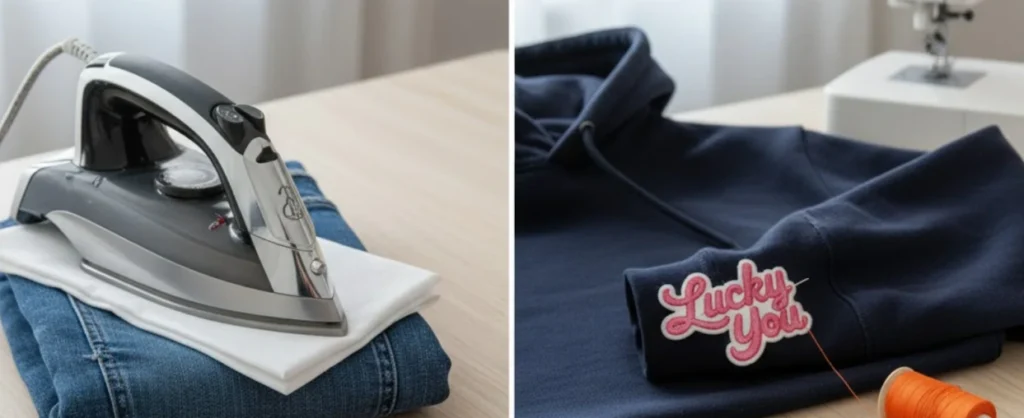
Choosing how to attach your custom patches can feel overwhelming when you’re just getting started. Should you sew them on or iron them on? Both methods work well, but they have important differences that make each one better for certain situations. This guide will help you understand everything about sew-on vs iron-on patches so you can pick the perfect attachment method for your project!
What Are Sew-On Patches?
Do you need a patch to stay put through heavy use and frequent washing? Sew-on patches are the reliable choice.
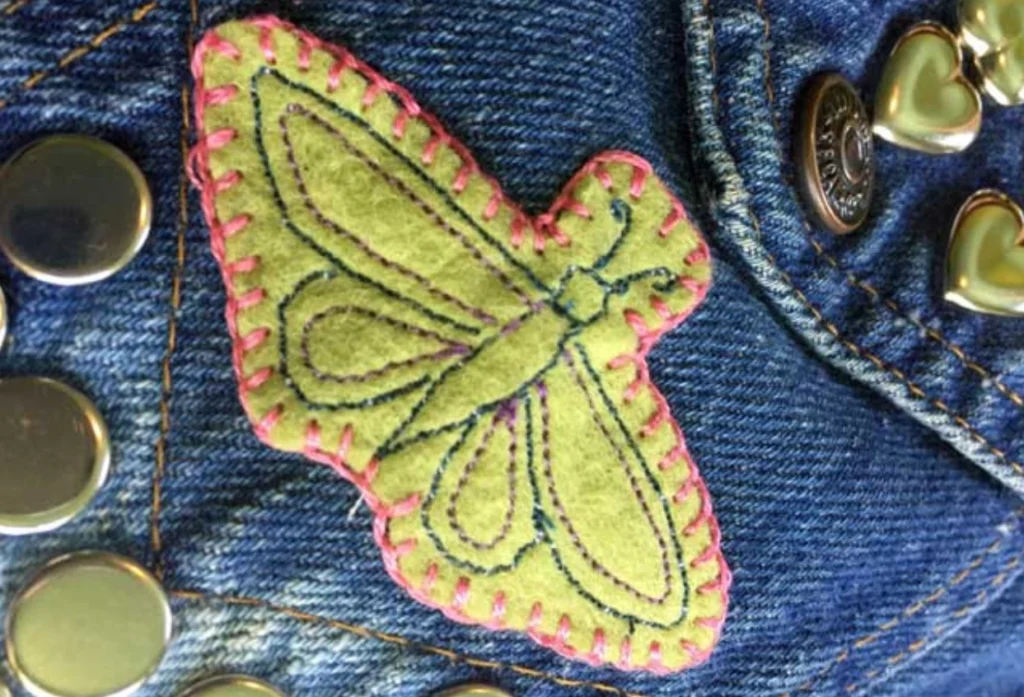
Sew-on patches are patches that you attach to fabric using a needle and thread or a sewing machine. These patches don’t have any special adhesive or sticky backing. Instead, they have a regular fabric backing that allows you to stitch them securely onto clothing, bags, hats, or any other fabric item.
The stitching goes through both the patch and the fabric underneath, creating a permanent bond that’s extremely strong.
What Are Iron-On Patches?
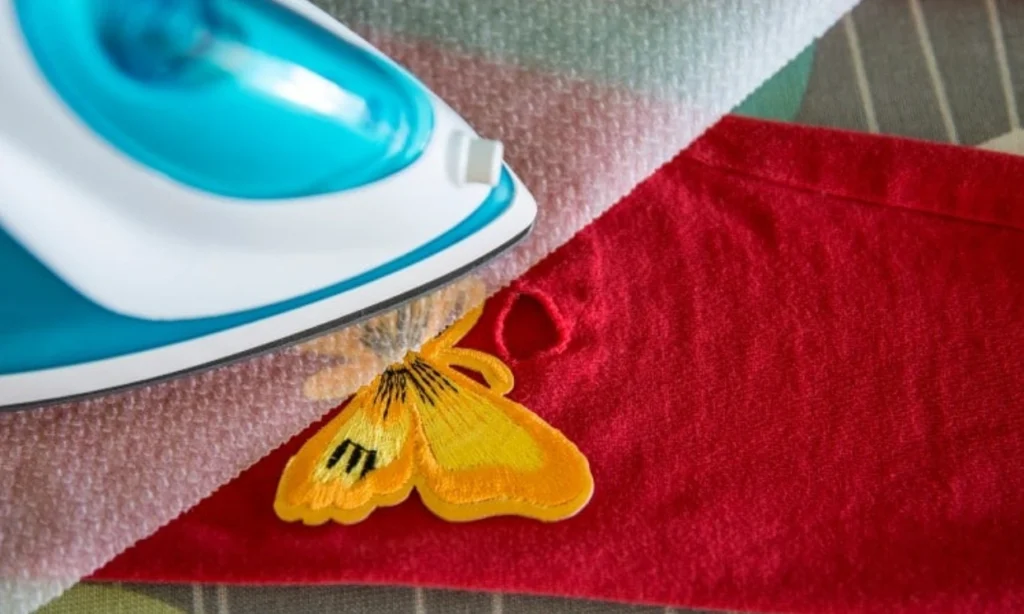
Iron-on patches have a special heat-activated adhesive layer on the back. This adhesive is designed to melt when exposed to heat from an iron, creating a bond between the patch and the fabric. The adhesive backing usually looks shiny or slightly sticky to the touch.
Applying an iron-on patch is quick and simple, and they are perfect for people who don’t know how to sew or don’t have access to a sewing machine. They’re also great when you need to add patches quickly for an event, costume, or last-minute decoration.
How to Apply Sew-On vs Iron-On Patches
The application process is where these two patch types differ the most.
How to Apply Sew-On Patches
- Position the patch exactly where you want it on the fabric
- Pin it in place with straight pins or fabric clips
- Thread your needle and tie a knot at the end
- Push the needle up through the fabric from the back, right at the patch edge
- Continue making stitches all the way around the patch edge
- Finish by pushing the needle to the back and tying several knots
Time Required: Hand sewing takes about 10-20 minutes. Machine sewing takes about 2-5 minutes.
How to Apply Iron-On Patches
- Preheat your iron to the highest heat setting with no steam
- Position the patch on your garment with the adhesive side down
- Cover the patch with a thin cotton cloth
- Press the iron firmly down for 30-45 seconds
- Check if the patch has stuck. If edges are loose, iron for another 15 seconds
- Let the patch and garment cool completely
Time Required: Only 1-3 minutes total!
Durability and Washability of Sew-On vs Iron-On Patches
How long your patches last and how well they survive washing is probably the most important factor in choosing between these two types.
Durability Comparison
Feature | Sew-On Patches | Iron-On Patches |
Permanence | Extremely permanent – lasts the lifetime of the garment | Semi-permanent – typically lasts 25+ washes |
Strength | Very strong bond that won’t peel | Good bond, but edges may lift over time |
Resistance to Wear | Excellent – handles rubbing very well | Good – high-friction areas may loosen |
Weather Resistance | Excellent – water doesn’t affect stitching | Good – water can weaken the adhesive |
Removability | Can be removed by cutting stitches | Difficult to remove, may leave residue |
Washing Guidelines
For Sew-On Patches:
- Wash in any water temperature
- Use any washing machine cycle
- Tumble dry on any heat setting
- No special care needed
For Iron-On Patches:
- Wash in cold or warm water only
- Use a gentle washing cycle
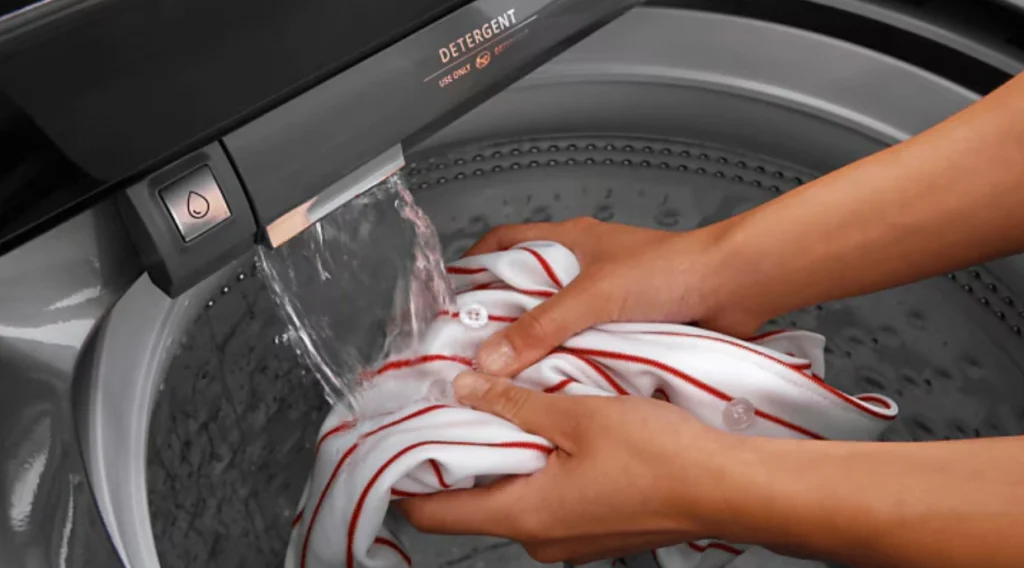
- Turn the garment inside out before washing
- Air dry or use low heat in the dryer
Which Patch Type Should You Use?
Choosing between sew-on and iron-on patches depends on several factors.
Choose Sew-On Patches When:
- Durability is most important
- Work uniforms get washed frequently
- Sports team gear sees heavy use
- You have sewing skills or access to help
- The item will be washed often
- You want maximum flexibility with stretchy fabrics
Choose Iron-On Patches When:
- Speed and convenience matter most
- You need last-minute repairs or decoration
- You don’t have sewing skills
- The item won’t be washed often
- Working with simple cotton or denim fabrics
Get Your Perfect Patches from FastPrintStar
Whether you need sew-on patches for maximum durability or iron-on patches for easy application, FastPrintStar creates premium custom patches that look professional and last long.
Why FastPrintStar is Your Best Choice
They offer both sew-on and iron-on patches options for most of our patch styles, providing you with complete flexibility to choose the option that best suits your needs.
Both Backing Options Available:
- Order the same design as sew-on or iron-on
- Switch between backing types for different projects
- Expert advice on which backing suits your application
Premium Quality Patches:
- Sew-on patches with durable fabric backing
- Iron-on patches with commercial-grade adhesive
- Vibrant colors that won’t fade
- Multiple patch types: embroidered, woven, PVC, and more
Complete Customization:
- Any size from 1 inch to 12 inches
- Any shape you can imagine
- Unlimited colors for your design
- Free design assistance from our expert team
- Fast turnaround without compromising quality
Easy Ordering Process
- Visit FastPrintStar and locate their product page
- Under the apparel and accessories option, you will see the different patch types to use from
- Select your customization preferences
- Review your free digital proof
- Approve, and we begin production
Start creating your custom patches today and experience the FastPrintStar difference.
Final Thoughts
Both sew-on and iron-on patches have their place in custom patches. Neither option is universally better; the right choice depends entirely on your specific situation, skills, and needs.
Sew-on patches offer unbeatable durability and permanence, making them perfect for items that need to withstand heavy use and frequent washing. Iron-on patches provide incredible convenience and speed, making them ideal for quick projects and people without sewing skills.
Many people use both types depending on the project! Understanding the strengths of each method lets you make smart choices for every situation.